Political canvassing, or what is political canvassing, is the act of contacting voters directly, usually by going door-to-door, to advocate for a candidate or cause. It’s a crucial strategy in campaigns for engaging voters, understanding their concerns, and building community support. This article will explore the methods, evolution, and importance of political canvassing in modern political campaigns.
Key Takeaways
Political canvassing focuses on direct engagement with voters to build relationships and foster community connections, rather than merely persuading them.
Modern canvassing methods have evolved to incorporate digital tools, enhancing efficiency and real-time data management, which significantly improve outreach strategies.
Effective canvassing campaigns prioritize volunteer training, inclusivity, and understanding of legal regulations, while continuously measuring success through various metrics and feedback.
Understanding Political Canvassing

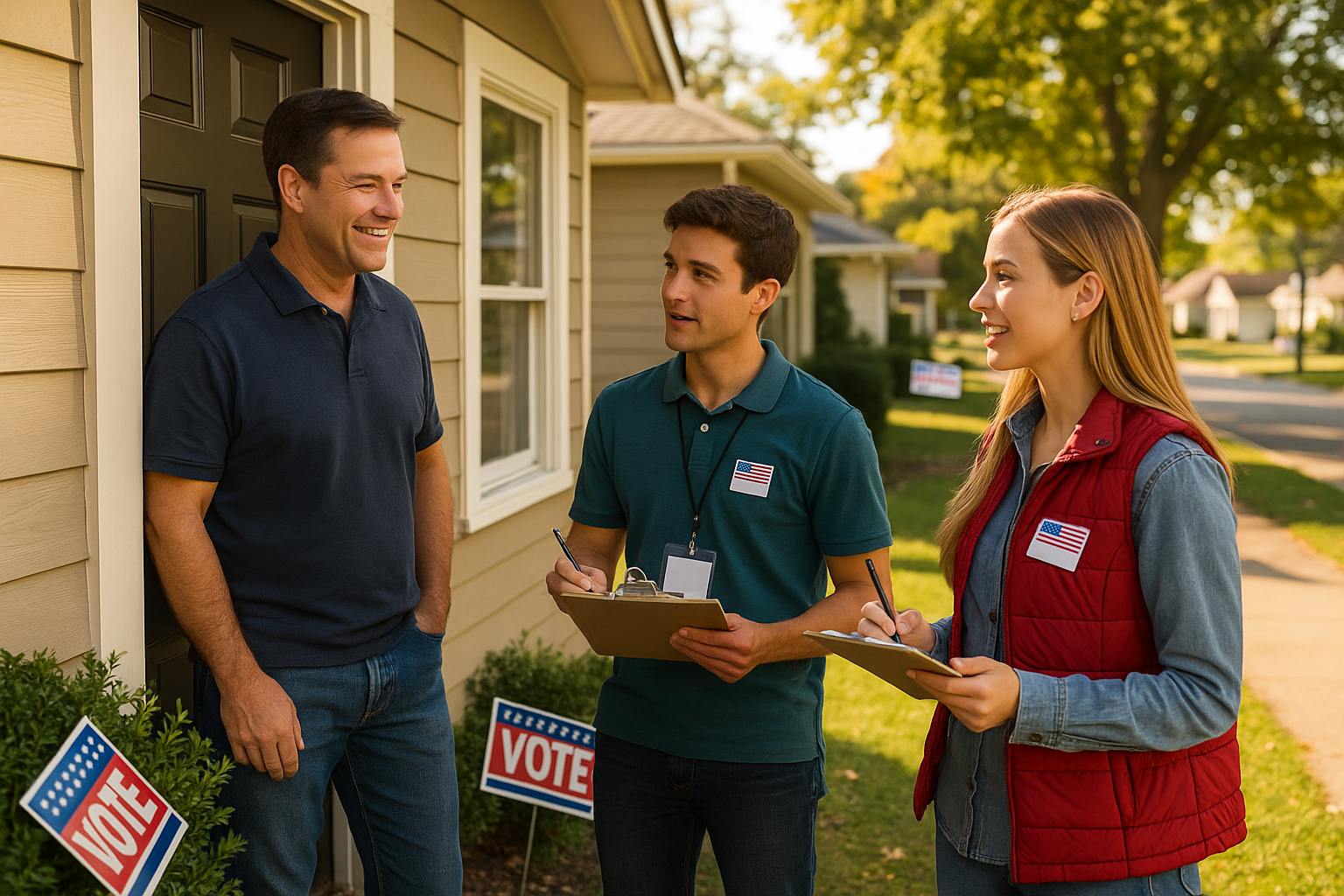
Political canvassing involves engaging voters directly, typically door-to-door, to advocate for a cause or candidate. The primary purpose of canvassing in political campaigns is to foster direct voter engagement and establish authentic connections. This initial outreach helps to identify voter issues and assess candidate alignment with those issues.
Canvassing primarily involves door knocking and having personal conversations with residents. These face-to-face interactions are vital as they enhance inclusivity and democratic participation. Canvassers discuss significant issues that resonate with community concerns, building trust and engaging voters.
A core principle of political canvassing is focusing on relationship-building rather than just persuasion. Listening to voters’ concerns and engaging in meaningful dialogue strengthens relationships between candidates and constituents. This approach not only boosts voter turnout but also fosters a sense of community and democratic engagement.
The Evolution of Canvassing Methods
The methods used for canvassing have changed dramatically over the years. Traditionally, canvassing relied heavily on paper methods, but modern canvassing incorporates a comprehensive guide of digital tools for enhanced outreach.
The shift from traditional to modern methods has greatly improved canvassing effectiveness, enabling more efficient and accurate voter engagement and progress.
Historical Context
The origins of political canvassing can be traced back to campaigns relying on volunteers engaging directly with voters in their neighborhoods. Traditional methods involved volunteers going door-to-door with pens and clipboards to engage voters personally. These early practices laid the groundwork for modern political outreach strategies, highlighting the importance of community engagement.
A notable example is Tammany Hall, a prominent political organization in the 19th century, recognized for its organized grassroots canvassing efforts. Tammany Hall’s effective grassroots canvassing significantly influenced local politics and shaped the political landscape of its era.
Modern Techniques
Modern canvassing is significantly transformed by technology through:
The use of apps, databases, and social media.
Advances in advocacy software that enable the recording of information in tools like Pulsar, enhancing data management in campaigns.
Utilizing digital tools to streamline campaigns, improve effectiveness, and enhance data accuracy.
Campaigns can use phone calls, text messages, and social media as direct contact methods in conjunction with canvassing. These tools allow campaigns to adapt and update their strategies in real-time, ensuring that their targeted outreach efforts are always effective.
Why Political Canvassing is Crucial
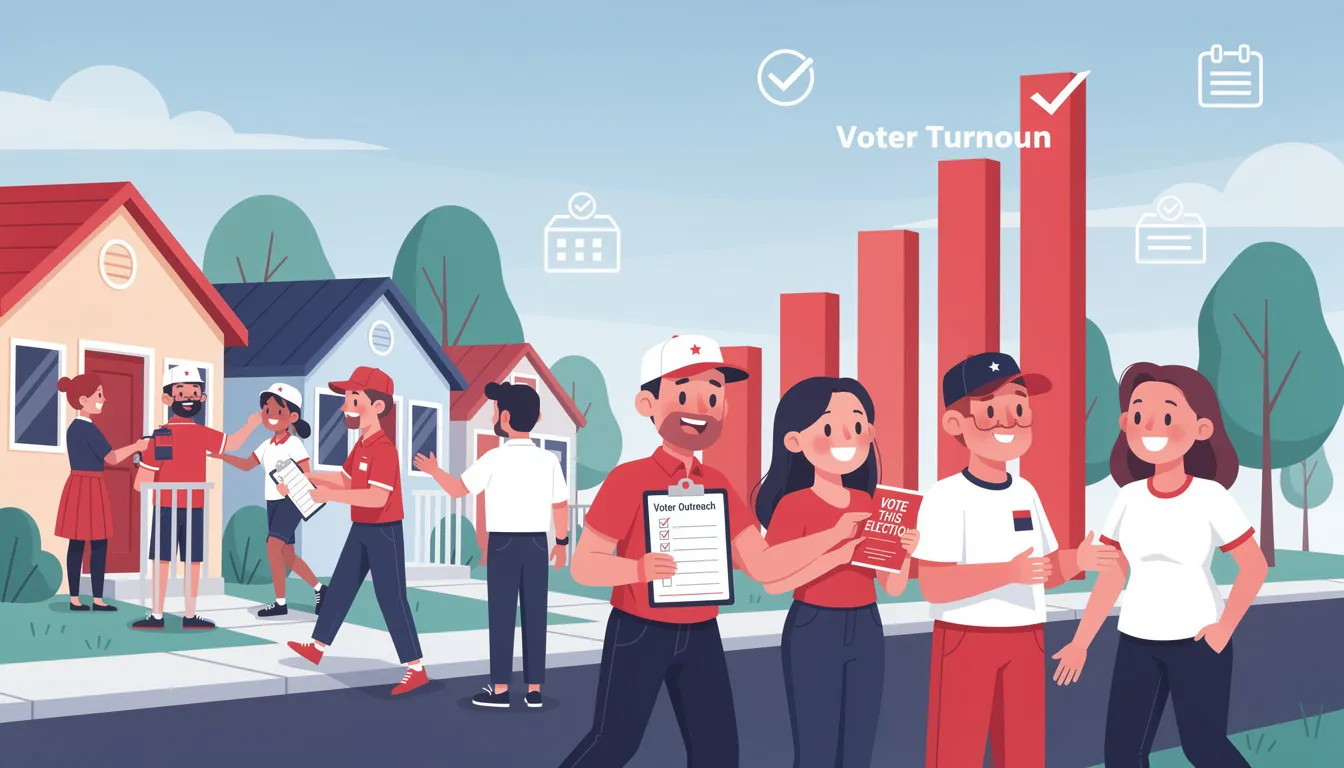
One of the most effective methods to boost voter turnout is political canvassing. It plays a significant role in engaging and mobilizing voters by:
Increasing awareness about the candidate
Engaging voters by informing them and inspiring action
Helping campaigns connect with voters directly
Providing insights into voter concerns
Informing campaign strategies
This direct connection builds emotional connections and personal support for candidates, which can significantly impact election outcomes. High levels of volunteer activity in canvassing shape perceptions of candidate viability. The genuine relationships formed through early canvassing efforts can have lasting impacts on voter engagement and loyalty, as it arises.
Boosting Voter Turnout
Canvassing boosts voter turnout by approximately 6% through personal engagement. Door-to-door canvassing can raise voter turnout significantly, reflecting the effectiveness of personal outreach strategies. Early mobilization in canvassing significantly increases overall voter turnout.
Campaigns often assess the impact of canvassing efforts using metrics like voter turnout rates and engagement levels. Personalized outreach during GOTV efforts increases the likelihood of voter participation and strengthens community ties.
Mobilizing Undecided Voters
Key points about interacting with undecided voters and residents:
Canvassed undecided voters may lean toward the candidate they hear from.
Interacting with undecided voters can sway their preferences toward the candidate.
Engaging residents directly on local concerns can foster a sense of trust and encourage voter participation.
Local volunteers can better relate to community issues, enhancing the authenticity of their engagement with individual voters. Voters tend to react more positively when they receive personalized messages. These messages should focus on addressing their specific needs and concerns. This personalization builds trust and strengthens connections.
Key Strategies for Effective Canvassing
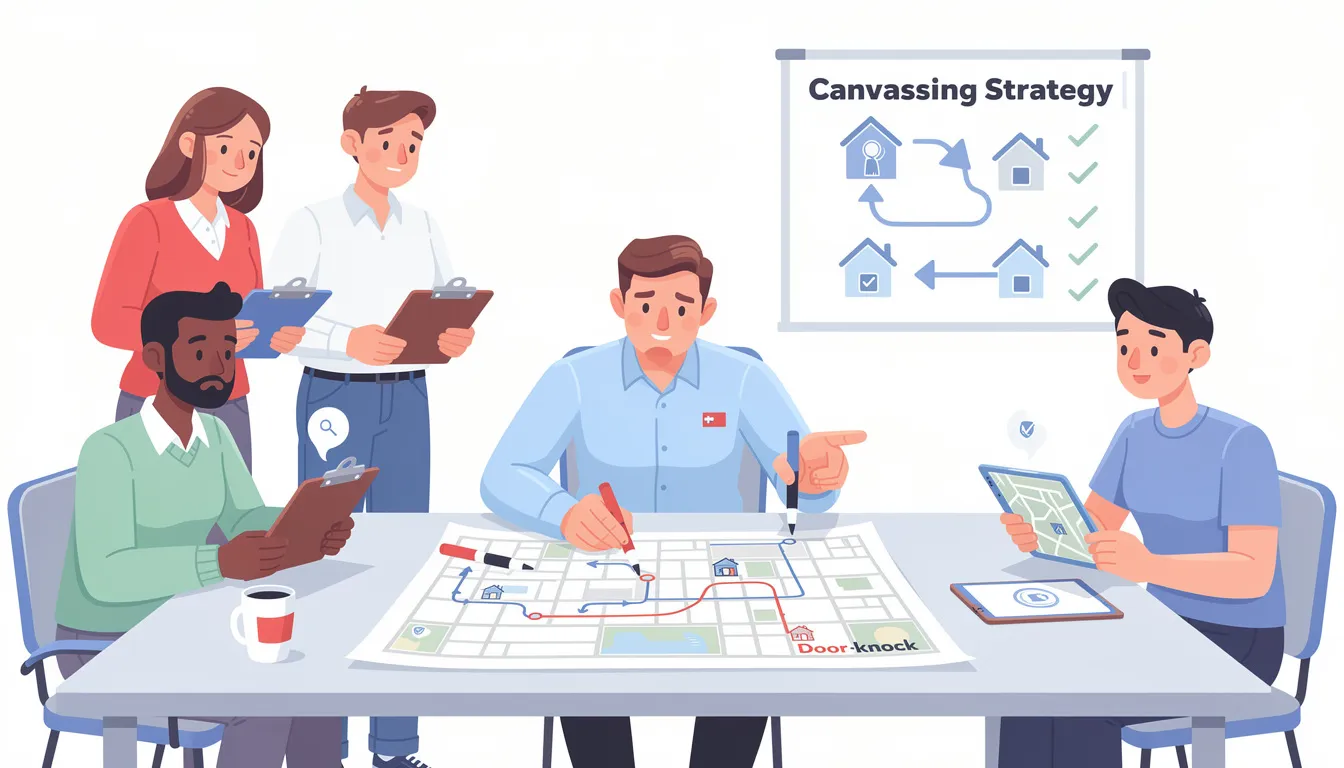
Effective canvassing requires a well-structured plan that includes recruiting volunteers, assigning roles, and preparing materials. Consider the number of voters to convince based on win number and identified supporters when establishing a field plan for canvassing. Canvassing fosters a direct connection between voters and campaigns, enhancing engagement and trust.
A mix of strategies for engagement and insight gathering is commonly employed in canvassing efforts to reach the end goal. Thanking voters during canvassing is essential to leave a positive impression of the cause and organization.
Different canvas methods offer distinct advantages and challenges based on campaign goals, resources, and audience.
Data-Driven Canvassing
Obama’s 2008 and 2012 campaigns notably used advanced data-driven canvassing. Modern canvassing tools provide features such as real-time updates and detailed voter profiles to enhance campaign efficiency. Mobile canvassing apps offer advantages like offline capabilities, automatic data syncing, and enhanced efficiency over traditional canvassing methods.
Digital tools enhance team collaboration with shared access to platforms and real-time updates. Effective canvassing involves tailored communication strategies to resonate with diverse voter concerns. Leaving informative materials at voters’ homes helps convey campaign messages to those not directly contacted.
Deep Canvassing
Deep canvassing is a technique to connect with voters on a personal level. Relational organizing involves leveraging personal relationships to campaign effectively. Longer, empathetic conversations in deep canvassing can significantly influence voter opinions and increase engagement.
Preparation for canvassers ensures confidence and security during interactions with voters. This technique continues to be an effective method for finding common ground and addressing voters’ concerns in a meaningful way.
Get Out the Vote (GOTV)
Get Out the Vote (GOTV) focuses on mobilizing voters to ensure their participation in elections. The primary purpose of GOTV efforts is to mobilize supporters to vote and ensure higher voter turnout. Effective GOTV strategies include using a field plan to organize outreach efforts, emphasizing personal outreach, and making follow-up calls or visits.
GOTV efforts can have a significant impact in elections, particularly by making a difference in close races. This mobilization strategy ensures that no potential vote is lost and that every supporter is encouraged to cast their vote.
Essential Tools and Technology for Canvassing

Having the right tools and technology is essential for successful canvassing campaigns. Pulsar is a tool that can help streamline canvassing efforts by providing a platform for managing voter outreach. Pulsar is designed for republican and non-partisan campaigns. It offers real time data sync between the pulsar app and desktop platform.
The Pulsar platform comes preloaded with an immense number of tags and filters ensuring that your campaign maximizes its canvassing efforts through precise targeting. New Pulsar accounts come with a voter file containing all voters for a given area. In addition, numerous filters and tags are included allowing you to target for things such as vote frequency, age, gender, vote type (in person, absentee, early, etc),and political affiliation. These tools ensure that campaigns can engage voters effectively and efficiently, maximizing their outreach efforts.
Canvassing Apps
Canvassing software is a primary tool used in many political campaigns, enhancing outreach and engagement. Pulsar by Campaign Sidekick is a popular canvassing app known for its ease of use in organizing campaign efforts. Campaigns can use Pulsar to create and assign walklists, create phone lists of canvassed voters, and send texts to canvassed voters. In the past a campaign would need to purchase multiple software packages for voter outreach but with Pulsar you have an all in one solution.
In addition to the various voter contact methods provided by Pulsar, Pulsar also has state of the art tracking and data functionality. When running a campaign it is important to ensure the credibility of the data being collected in the field. Using Pulsar you can see time stamps for every door knocked, information about the canvasser, and the canvasser’s geographic location when the data was collected.
Real-Time Data Sharing
Modern canvassing now uses real-time data collection tools, allowing campaigns to access up-to-date information during outreach activities. Real-time data collection is crucial for adapting canvassing strategies and ensuring effective follow-ups with voters.
Digital canvassing tools facilitate collaboration through shared platforms and simultaneous updates among team members to share information effectively.
Training and Organizing Volunteers
Canvassing not only focuses on electoral support but also on recruiting new volunteers. Efforts to reach out to underrepresented demographics via canvassing are critical for campaign inclusivity. Organizing volunteers effectively ensures that canvassing activities are structured and efficient.
Training volunteers is essential for successful canvassing campaigns. Volunteers are better prepared with clear instructions and easy-to-follow scripts. Role-playing also provides valuable practice for them. This preparation builds confidence and enhances communication skills, making volunteers more effective in their outreach efforts.
Volunteer Training
Canvassers should practice their script with role-playing to gain confidence and improve their communication skills. Volunteers should be trained in active listening and asking open-ended questions for effective deep canvassing. This training ensures that canvassers are prepared for challenging situations and conflict resolution.
Recognizing and thanking volunteers keeps them motivated and creates a supportive atmosphere. Setting clear goals is helpful for volunteers to stay motivated during canvassing, which comes from the heart.
Canvassing volunteers should have a staff member’s contact number for emergencies. In most states, canvassers are required to identify themselves through campaign attire or literature.
Community Engagement
Local volunteers play a crucial role in political canvassing by:
Connecting authentically with their communities.
Providing unique insights into neighborhoods that can enhance canvassing strategies.
Using their familiarity with the area to increase the likelihood of voter engagement during canvassing.
Engaging with the community builds relationships and fosters a sense of trust and loyalty among residents. Leveraging personal connections and local knowledge helps integrate canvassing activities into the fabric of the community, ensuring that the campaign resonates with the people it aims to serve.
Legal Considerations in Political Canvassing

Political canvassing is a constitutionally protected activity under the First Amendment, distinguishing it from commercial solicitation. Understanding legal considerations ensures that canvassing activities comply with regulations and respect residents’ rights.
First Amendment Rights
The First Amendment of the United States Constitution protects various forms of speech, including political canvassing. This protection guarantees the right to engage in political canvassing as a form of free speech.
Understanding these rights ensures that canvassers can confidently engage voters while respecting legal boundaries.
Local Laws and Restrictions
Canvassers must be aware of the following legal considerations before starting any operations:
Check local laws regarding canvassing.
Avoid ignoring ‘No Trespassing’ signs, as this can legally constitute trespassing.
Do not place campaign literature in mailboxes due to postal regulations, which can lead to legal issues.
If canvassers are asked to leave a voter’s property, they must leave promptly. If faced with misunderstandings regarding legal issues, canvassers should:
Explain their purpose to authorities. Being aware of these local laws and restrictions helps:
Minimize risks
Ensure that canvassing activities are conducted responsibly.
Measuring Success in Canvassing Campaigns
To assess the effectiveness of canvassing, campaigns should track various metrics, including contact rates and persuasion statistics, and continue to leverage the risk results.
Measuring success in canvassing campaigns is crucial to understanding their effectiveness and impact.
Analyzing Results
Analyzing canvassing data can reveal insights into voter preferences and help refine future campaign approaches. Using analytics from canvassing apps can highlight trends in voter behavior and identify areas for future outreach. This data-driven decisions approach ensures that campaigns can continuously improve their strategies and effectively engage voters.
Data analytics tools can help campaigns identify voter engagement patterns and improve future canvassing strategies. This analysis provides valuable information that shapes campaign strategies and messaging.
Feedback and Debriefing
Conducting debrief sessions after canvassing allows teams to:
Identify challenges
Improve strategies based on canvasser experiences
Gather feedback from canvassers to inform adjustments to training and strategy
Enhance future canvassing efforts
Collect insights from volunteers to improve future canvassing strategies
Sharing information and recording valuable insights during these sessions ensures that the campaign can continuously adapt and improve. This process of feedback and debriefing is essential for maintaining an effective and responsive canvassing campaign.
Summary
Political canvassing remains a cornerstone of effective political campaigns. By engaging voters directly, canvassing helps build trust, increase voter turnout, and mobilize undecided voters. The evolution of canvassing methods, from traditional door knocking to modern digital tools, has enhanced the effectiveness and efficiency of these efforts. By employing key strategies, leveraging essential tools, and ensuring thorough training and legal compliance, campaigns can maximize their outreach and impact. As you embark on your canvassing journey, remember that every conversation and connection contributes to a thriving democracy.
Frequently Asked Questions
What is the primary purpose of political canvassing?
The primary purpose of political canvassing is to directly engage voters, fostering trust and authentic connections to advocate effectively for a cause or candidate.
How has canvassing evolved over the years?
Canvassing has evolved significantly from traditional paper methods to modern digital tools, enhancing its effectiveness and efficiency. This transformation allows for more targeted outreach and data-driven strategies in engaging voters or customers.
Why is political canvassing crucial for campaigns?
Political canvassing is essential for campaigns as it boosts voter turnout and fosters trust, while also gathering valuable insights into voter concerns that shape campaign strategies.
What are some key strategies for effective canvassing?
Utilizing data-driven methods, engaging in deep canvassing through empathetic conversations, and implementing targeted Get Out the Vote (GOTV) strategies are essential for effective canvassing, ultimately leading to increased voter turnout.
What legal considerations should canvassers be aware of?
Canvassers must understand their First Amendment rights and comply with local laws, ensuring they do not place materials in mailboxes or ignore ‘No Trespassing’ signs to avoid legal complications. Respecting these regulations is essential for lawful advocacy efforts.