Key Takeaways
- GOTV is the final push to turn identified supporters into actual votes, typically occurring in the last 4–10 days before election day—it’s about logistics, not persuasion.
- Strong targeting and clean voter data are just as important as good scripts or enthusiastic volunteers; contacting the wrong 5% of voters wastes precious time.
- This article provides concrete, ready-to-use GOTV scripts for door knocking, phone banking, and texting that you can adapt for your campaign today.
- Research shows door-to-door canvassing can increase turnout by 2–4 percentage points among contacted households, making personal contact methods critical.
- Pulsar’s political CRM, preloaded voter files, and integrated outreach tools help campaigns execute these GOTV tactics at scale without stitching together multiple systems.
What “Get Out the Vote” (GOTV) Means on a Campaign
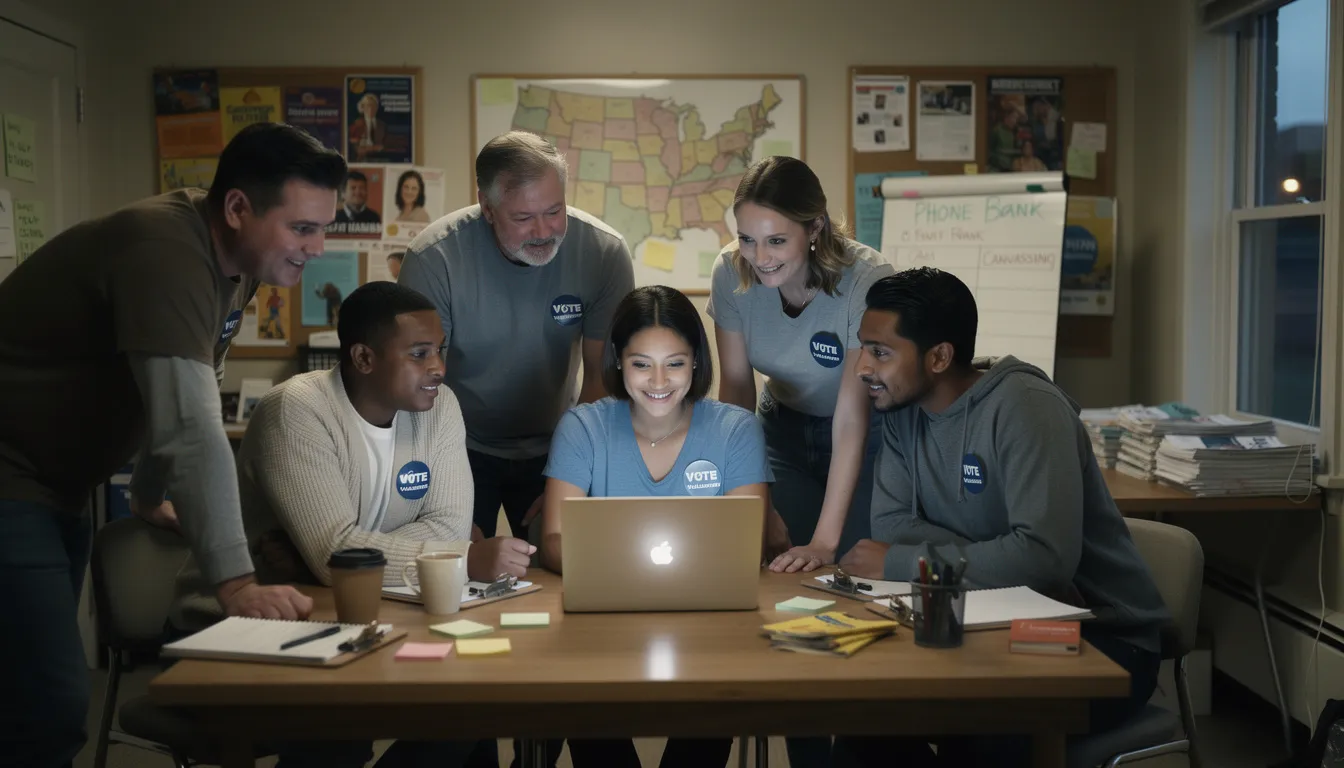
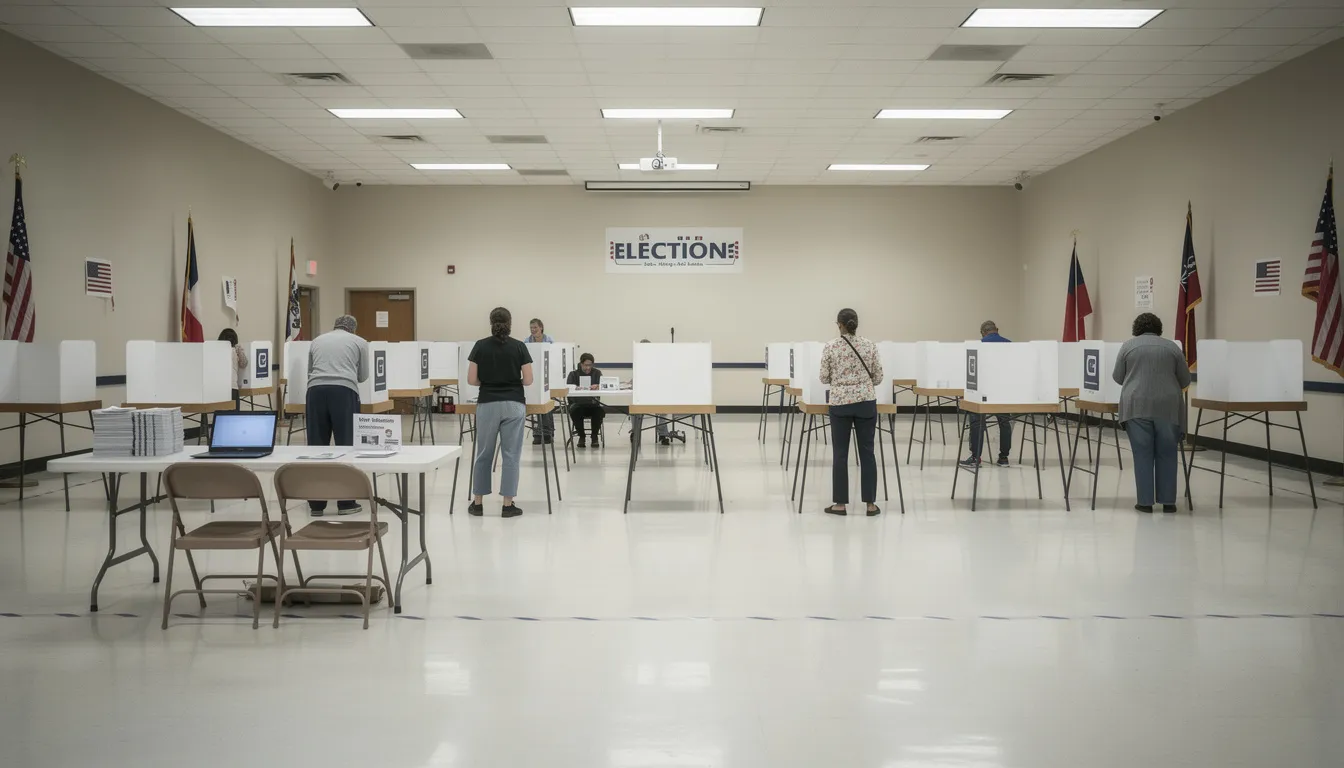
Get out the vote describes the focused turnout phase immediately before an election—not general persuasion, branding, or voter registration work. This is when your campaign shifts from convincing people to support you to ensuring those supporters actually cast their ballot.
Timing matters significantly. GOTV typically starts 7–10 days before election day, though campaigns in heavy early-vote states like Colorado, Nevada, and Georgia may begin earlier to capture in-person early voters. The effort intensifies through the final 72 hours, when every contact counts.
The goal is clear: contact identified or likely supporters and ensure they have a plan to vote (how, when, and where). You’re not trying to debate undecided voters or explain your candidate’s positions. You’re helping people who already support you follow through on that support.
GOTV work falls into two categories:
- Nonpartisan GOTV: Community groups, nonprofits, and nonpartisan groups helping everyone vote regardless of political parties or candidates
- Campaign GOTV: A particular candidate or party moving their own supporters to the polls
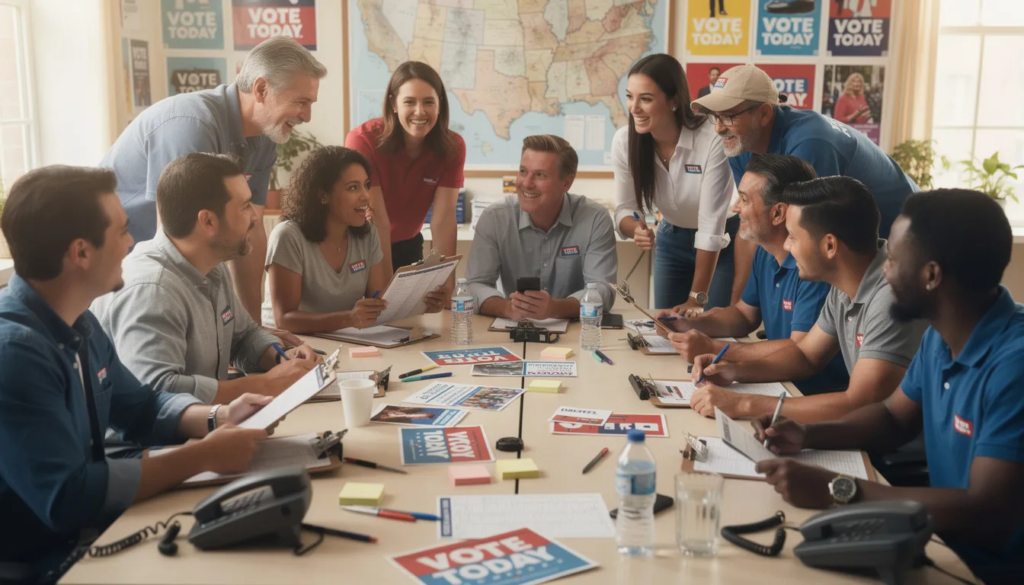
Common channels used during this phase include door to door canvassing, phone banking, peer-to-peer texting, email, social media reminders, and ride-to-the-polls programs. The most effective campaigns use multiple channels in coordination, tracking each voter’s contact history to avoid duplication.
Pulsar is built for election-specific GOTV. The platform uses preloaded voter files, tagging, and modeled data to quickly build a “supporter universe” to mobilize voters efficiently.
Why Targeting and Data Matter for GOTV
The difference between winning and losing is often whether you contacted the right 2–5% of voters in the final week. All the information in the world doesn’t help if you’re calling people who’ve already voted or knocking on doors of opposition supporters.
Targeting for GOTV means focusing on voters who meet two criteria:
1. They’re likely supporters of your candidate or cause
2. They might not vote without a reminder (inconsistent or low-propensity voters)
Here’s what targeting looks like in practice:
Scenario | Target Universe Example |
Milwaukee city council race | Registered Republicans under 40 with low 2022 turnout in the district |
Pennsylvania state house race | Swing voters tagged “lean support” during summer persuasion canvassing |
Texas school board campaign | Parents with children in district schools who signed petition but vote inconsistently |
Accurate data makes this targeting possible. Your campaign needs an up-to-date voter file with names, phone numbers, and addresses. You need correct precincts and polling place assignments. Where available, you need flags for early vote or absentee ballot status so you’re not asking people who’ve already participated to make a vote plan.
Modeled data and tags dramatically improve efficiency:
- Support scores or issue affinity models help prioritize which doors to knock first
- Tags like “strong supporter,” “lean supporter,” “already voted,” or “needs ride” collected during earlier phases guide your outreach
- Vote history data helps identify which supporters need multiple reminders versus a single touch
Pulsar supports this targeting workflow with preloaded state voter files you can filter by voting history, party, age, and geography. Campaigns can overlay modeled data to identify high-priority GOTV universes. Real-time sync ensures that once a voter is marked “voted” or “wrong number,” they drop from further outreach automatically.
Door Knocking GOTV Script Examples
Field canvassing remains the most effective GOTV tactic where logistically feasible. Research by experts like Donald Green shows that personal, face-to-face contact increases turnout among contacted households by 2–4 percentage points.
Below are three ready-to-use door scripts you can adapt for your vote campaign.
Script 1: Standard Election Day Knock
“Hi, is Jordan home? My name is Alex, I’m a volunteer with the Friends of Taylor Nguyen campaign for City Council here in Austin.”
“We’re reminding Taylor’s supporters that Election Day is Tuesday, November 5. Are you planning to vote for Taylor?”
If yes:
“Great! When are you planning to vote—before work, after work, or during lunch?”
[Restate their plan back to them]
“Perfect, so you’ll head to the polls after work around 5:30. Your polling place is Ridgeview Community Center on Oak Street, and polls close at 7pm.”
“Thanks again, Jordan. Your vote on November 5 really could decide this race. Consider bringing a friend!”
Script 2: Early Vote Reminder
“Hi, I’m with the Martinez for Senate campaign. Early voting in Phoenix runs from October 23 to November 1, and I wanted to make sure you have a plan to cast your ballot.”
“Are you planning to vote during early voting? I can help you figure out the best time.”
Offer specific options:
- “Weekday evenings usually have shorter lines”
- “Saturday mornings work well if weekdays are tough”
- “Sunday afternoon after church is another popular option”
“Your nearest early vote location is the Desert Vista Library on 40th Street. Lines are usually much shorter than on Election Day itself.”
Script 3: Ride to the Polls Offer
“Hi, I’m a volunteer helping make sure everyone in this community can participate in the upcoming election. We’re reaching out to see if transportation, work schedule, or childcare might make voting difficult for you.”
If they express concern:
“We’re scheduling rides for Tuesday, November 5 between 9am and 7pm. Would you like us to call you to confirm a time that works?”
[Collect phone number and preferred time window]
Note for nonpartisan groups: Remove all candidate and party references. Focus exclusively on voting logistics, key dates, and rights.
Pulsar’s canvassing tool lets campaigns push these exact scripts to volunteers’ mobile devices. The app automatically logs responses—support level, vote plan, needs ride—into the campaign CRM for same-day follow-up.
Phone Banking GOTV Script Examples
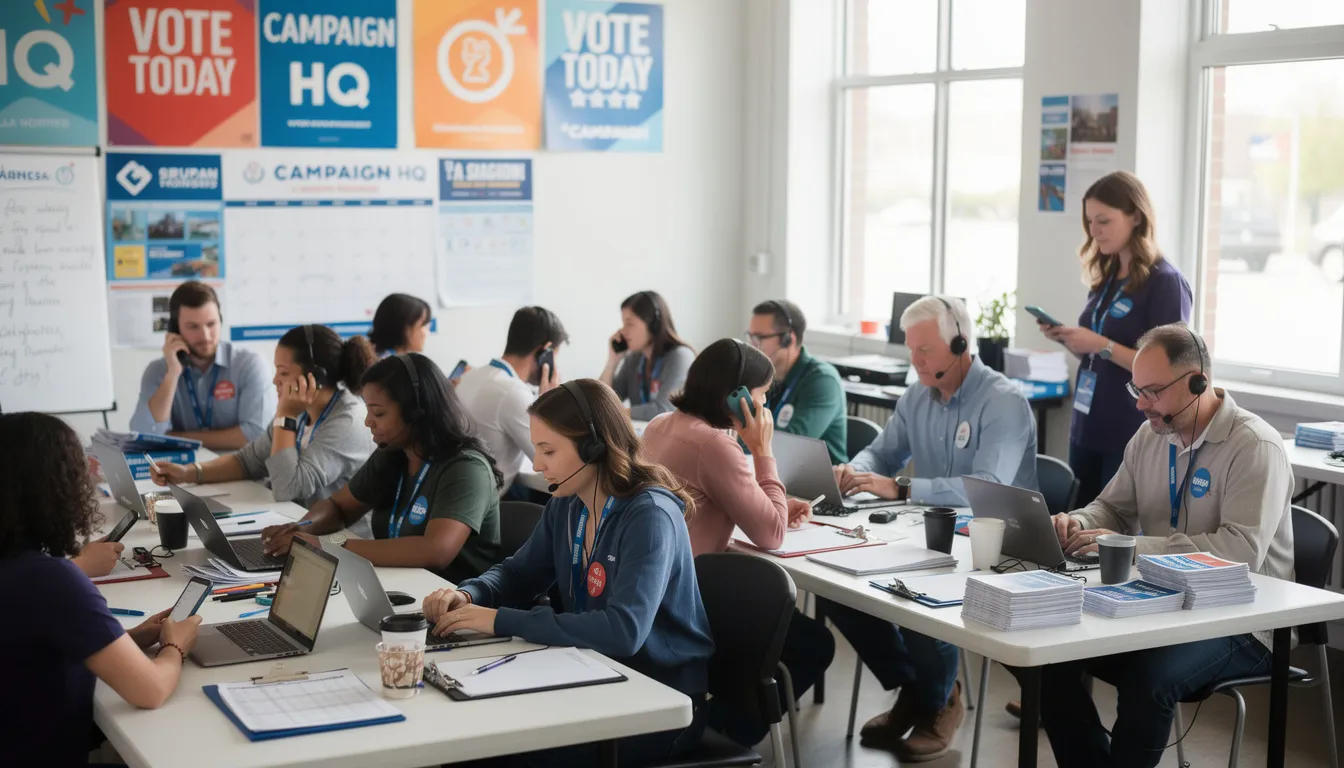
Phone calls are critical for reaching supporters in apartment-heavy urban areas or rural regions where knocking every door is impossible. Professional phone banks and volunteer phone banking both play important roles in GOTV efforts.
Script 1: Quick GOTV Call (Identified Supporters)
“Hi, is Maria there? This is David calling from the Jackson for Congress campaign.”
“Thanks so much for signing our petition back in May—we really appreciated your support. I’m calling to make sure you have a plan to vote in the November 5 election. Do you know when you’re going to cast your ballot?”
If they have a plan:
“That’s great to hear. Will you be voting on Election Day or taking advantage of early voting?”
[Confirm day and approximate time]
“Thanks so much, Maria. Turnout will be tight in this race, so your vote on November 5 really matters.”
Script 2: Ballot Chase Call
This script works for tracking absentee requests—for example, in a Michigan state senate race:
“Hi, this is calling from [Campaign Name]. Our records show you requested an absentee ballot for the August 6 primary. Have you already mailed or dropped off your ballot?”
If no:
“The deadline to return your ballot is August 5 at 8pm. Your nearest dropbox is at the County Clerk’s office on Main Street, or you can drop it at any early vote location. We’d encourage you to return it within the next 24–48 hours to make sure it’s counted.”
If yes:
“Wonderful, thank you! We’ll mark you as having voted. Have a great day.”
Script 3: Volunteer-to-Friend Relational Call
Relational organizing uses volunteers calling people in their own phone contact lists—friends, family, coworkers, and community members.
“Hey Chris, it’s Jordan. I’ve been volunteering for the Patel for Mayor campaign and wanted to reach out personally. Have you made your plan to vote on Tuesday, November 5?”
[Discuss plan informally]
“Awesome. Would you text me a selfie with your ‘I Voted’ sticker when you’re done? I’m trying to encourage all my friends to participate this year.”
Best practices for GOTV phone banking:
- Keep calls under 90 seconds during peak GOTV days to hit volume goals
- Prioritize lists by support score and “has not yet voted” data
- Focus energy on supporters who need reminders, not on persuasion attempts
- Track call outcomes immediately to update voter records
Pulsar’s phone banking module provides dynamic scripts based on voter tags and immediate data capture on support status and vote plans. Managers can view live dashboards tracking contacts per hour, supporters reached, and “has plan to vote” metrics by precinct.

Texting GOTV Script Examples
Peer-to-peer texting is one of the fastest ways to touch thousands of supporters in the last 48–72 hours. It combines the personal feel of direct messages with the scale of digital outreach.
Script 1: Day-Before Election Text
“Hi {{FirstName}}, this is Tasha with the Martinez for Senate campaign. Election Day is TOMORROW, Tuesday Nov 5. Can we count on your vote for Jordan Martinez?”
Follow-up responses:
- If yes: “Thank you! Your polling place is {{PollingPlaceName}} at {{PollingPlaceAddress}}. Polls open 7am-8pm. See you at the polls!”
- If unsure: “This race could decide [key issue like education funding or infrastructure]. Your vote matters. Can we count on you?”
Script 2: Election Day Morning Text
“Good morning {{FirstName}}! Polls are open 7am–8pm today. You’re registered to vote at {{PollingPlaceName}}: {{PollingPlaceAddress}}. What time are you planning to vote?”
“Reply 1=before work, 2=lunch, 3=after work”
Confirmation responses:
- Reply “1”: “Great! Morning voting usually has shorter lines. See you there!”
- Reply “2”: “Perfect, lunch is a popular time. Bring a coworker!”
- Reply “3”: “Sounds good—just remember polls close at 8pm!”
Script 3: Ballot Chase Text
“Hi {{FirstName}}, records show you requested a mail ballot for the Nov 5 election. Have you sent it back yet? Reply 1=Yes, 2=Not yet, 3=Didn’t get it”
Tailored replies:
Response | Follow-up Message |
“1” (Yes) | “Thank you! Your vote is on its way. We appreciate you participating!” |
“2” (Not yet) | “The deadline is Nov 4 at 7pm. Your nearest dropbox is at {{DropboxAddress}}. Can you drop it off today?” |
“3” (Didn’t get it) | “You can vote in person at {{PollingPlaceName}} on Election Day. Bring ID. Call the clerk’s office at {{ClerkPhone}} with questions.” |
Compliance and tone guidance:
- Keep texts under 320 characters for readability
- Avoid jargon; use clear dates like “Tuesday, November 5” rather than “next Tuesday”
- For nonpartisan use cases, remove candidate names and focus on voting logistics and rights
- Include opt-out language as required by your texting platform
Pulsar’s texting capabilities include peer-to-peer texting integrated with the campaign CRM so all replies update that voter’s record instantly. You can segment lists—for example, low-propensity voters in Clark County, Nevada—and load different GOTV scripts for each target audience.
Using Clean Data and a Political CRM to Coordinate GOTV
Even the best scripts fail if your lists are messy, duplicated, or full of wrong numbers and bad addresses. Data quality is the foundation of effective gotv initiatives.
Before GOTV begins, your campaign should have organized:
- Updated voter universe with tags from earlier persuasion and ID phases
- Clear fields for support level, contact history, and voted/ballot returned status
- Correct precinct and polling place assignments for each voter as of the final update from election officials
A political CRM like Pulsar should function as your single source of truth during GOTV:
- Canvassing, phone banking, and texting all read and write to the same voter record
- Automations remove “already voted” supporters from future outreach to avoid annoying your base
- Filters allow field directors to build separate lists for different purposes
Concrete scenario: A competitive state house race in Wisconsin uses Pulsar to:
1. Import the latest state voter file for the district
2. Tag 6,000 voters as “supporters” from summer door-knocking data
3. Build a GOTV universe of 4,200 low-to-mid-turnout supporters
4. Schedule outreach: door knocks for high-value precincts, phones for rural supporters, texts for younger voters with mobile numbers
Reporting matters for determining where to focus final efforts. Dashboards should show:
- Contacts made per day by channel
- “Has plan to vote” counts by precinct or ward
- Turnout coverage gaps that need additional attention
Campaigns can adjust their final two days based on which precincts are under-contacted. If Ward 7 shows only 40% contact rate while Ward 3 is at 85%, you know where to send your remaining volunteers.
Pulsar provides the political CRM, preloaded voter files, modeled data, and integrated outreach tools that let campaigns run tightly targeted, data-driven GOTV operations without stitching together multiple systems.
How Pulsar Helps Campaigns Run Effective GOTV Programs
Pulsar is an all-in-one platform designed specifically for political campaigns from school board through U.S. Senate. More than 120,000 campaigns have used the platform to engage and mobilize voters.
Key GOTV-relevant features include:
Feature | GOTV Benefit |
Preloaded voter files | Filter by turnout history, party, age, and geography without manual imports |
Political CRM | Track every voter contact, support level, and vote plan in one place |
Integrated canvassing | Push scripts to mobile devices and capture data automatically |
Phone banking tools | Auto-dialing with dynamic scripts based on voter tags |
Peer-to-peer texting | Send personalized messages at scale with real-time response tracking |
Targeting and modeling capabilities:
Campaigns can overlay modeled data—including likelihood to vote and likelihood to support—to define precise GOTV universes. This lets you prioritize limited volunteer time on the potential voters who most need a reminder, rather than wasting effort on strong supporters who always vote or opposition supporters who won’t change.
Workflow-level benefits:
The field director builds GOTV universes in Pulsar and assigns them to volunteers as walk lists, call lists, or text campaigns. All volunteer activity feeds live dashboards so leadership can see GOTV progress in real time and shift resources quickly when one precinct falls behind.
Ready to see how Pulsar can power your next GOTV operation? Schedule a demo to explore sample GOTV dashboards for your specific state or district, or get a quote for a race-level plan before your next election cycle.
FAQ
These questions address common operational and legal concerns that campaign managers often ask about GOTV planning and execution.
When should a campaign start planning its GOTV operation?
Structural planning should begin 3–6 months before election day, depending on the size and complexity of your race. Your GOTV calendar should be locked at least 6 weeks out, with clear milestones for finalizing target universes, writing scripts, recruiting volunteers, and completing training. The last 30 days before the election should focus on execution, not planning. Pulsar can be set up early in the cycle so identification and persuasion data flow naturally into the GOTV phase without requiring a separate data migration at the critical moment.
How many times should we contact a supporter during GOTV?
A realistic goal is 3–5 GOTV touches per supporter across channels in the final 10 days, but not all by the same method. Mix your channels strategically: one door knock, one text, one phone call, plus an email or social media reminder often works well. Use CRM data with “already voted” flags to avoid over-contacting people who’ve already participated. Exerting strong social norms through repeated contact is effective, but annoying your strongest supporters by calling them daily crosses the line from mobilization into frustration.
What is the difference between persuasion and GOTV scripts?
Persuasion scripts focus on issues, candidate comparison, and answering objections from undecided voters. GOTV scripts assume support is already established and focus entirely on logistics—when, where, and how the person will vote. The shift matters because your volunteers’ time is limited in the final week. You shouldn’t waste it on debate or discussion with voters who haven’t decided. In Pulsar, campaigns can load separate script versions for persuasion versus GOTV and assign them by date or list type, making the transition seamless.
Can 501(c)(3) nonprofits use these GOTV scripts?
501(c)(3) organizations must stay strictly nonpartisan in all their gotv activities. This means no candidate names, no party references, and no issue advocacy that clearly favors one side. These organizations can adapt the scripts above to focus purely on voting logistics, rights, and key dates while removing all partisan language. The “Ride to the Polls” script, for example, can work well for nonprofits with minor modifications. Always recommend consulting legal counsel for specific compliance guidance in your state or locality.
How can small local campaigns run GOTV without a large staff?
Small campaigns should focus their GOTV efforts on a narrow but high-impact voter universe—perhaps 500–2,000 key supporters in a city council ward rather than trying to contact everyone. Prioritize low-lift tools like texting and phone banking, with targeted door knocking reserved for your highest-turnout precincts where face-to-face contact delivers the most impact. Even a handful of dedicated volunteers can demonstrate strong social norms and increase turnout when they spread the word effectively. Tools like Pulsar reduce manual work by centralizing data, scripts, and outreach so small teams can still run professional GOTV programs without a large organizing staff.