Key Takeaways
- Ballot chasing is the systematic process of tracking and contacting voters who have mail in ballots or early ballots to ensure they actually complete and return them—it’s targeted follow-up, not generic get-out-the-vote messaging.
- Effective ballot chasing relies on accurate voter files, real-time vote history updates from election officials, and coordinated multichannel outreach including texting, canvassing, and phone banking.
- Laws governing ballot chasing differ sharply by state: some states allow campaigns to help voters fix rejected ballots through “cure” procedures, while others restrict third party individuals from handling ballots at all.
- Campaigns from both parties now treat ballot chasing as essential infrastructure, with successful ballot chase programs banking votes early and reducing reliance on election day turnout alone.
- Pulsar’s political CRM, preloaded voter files, and voter contact tools are designed specifically to power ballot chase programs for races from city council to U.S. Senate.
What Is Ballot Chasing?
Ballot chasing is the process of tracking and contacting voters who have outstanding ballots—whether mail in ballots or early ballots—to make sure those ballots actually get cast and counted. Unlike broad get-out-the-vote efforts that remind the general public to vote, ballot chasing focuses specifically on voters who have already requested or received a ballot but haven’t yet returned it.
It’s important to distinguish between “ballot chasing” and “ballot collection” (sometimes called ballot harvesting). Ballot chasing primarily involves reminder and assistance activity: texting voters to confirm they received their ballot, calling to answer questions about how to complete it correctly, or knocking on doors to encourage return before deadlines. Ballot collection, by contrast, refers to physically handling and returning ballots on behalf of voters—an activity that many states either restrict or ban entirely when performed by third party individuals.
The expansion of vote-by-mail after 2020 fundamentally transformed campaign timelines. What used to be “Election Day” has become what many campaign professionals now call “Election Month.” In 2020, mail ballots comprised 46% of all votes cast nationwide, up from just 21% in 2016. In several battleground states during the 2022 midterms, more than half of all votes were cast before election day. This shift means campaigns that wait until the final 72 hours to mobilize supporters are leaving votes on the table.
Both parties now invest heavily in ballot chasing. Democrats pioneered systematic vote-by-mail programs to reach elderly voters, disabled voters, and those with mobility challenges. Republicans, after facing disappointing results in 2020 and 2022, rebranded and adopted the tactic under the “ballot chasing” terminology. Groups like Turning Point Action launched what they describe as the first robust conservative ballot operation with a national grassroots network, specifically designed to compete in the vote-by-mail arena.
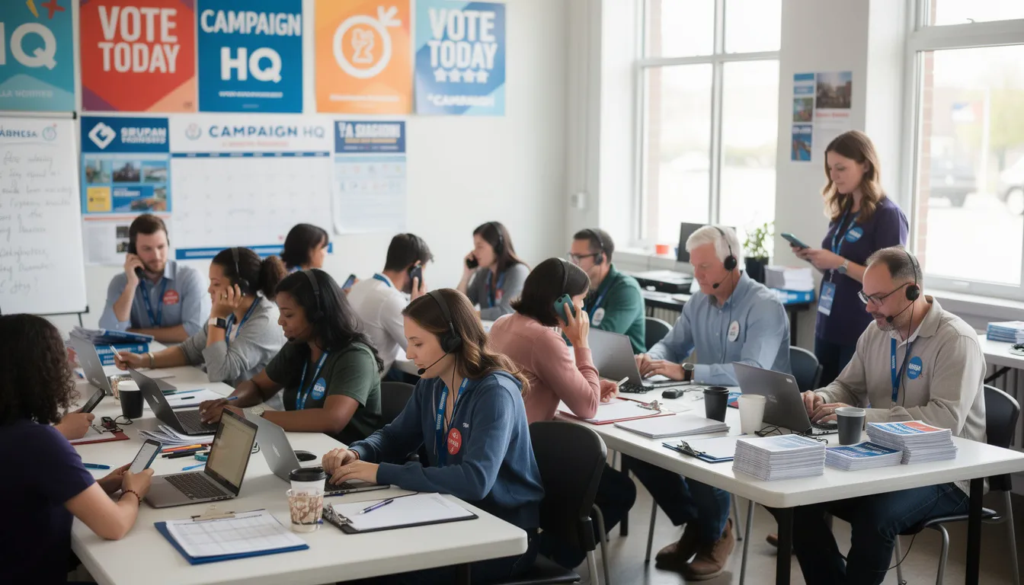
The Basics of Ballot Chasing in Modern Campaigns
Understanding how early and mail voting calendars work is essential before launching any ballot chase program. In most states, ballots are mailed to voters 30 to 45 days before election day. Some states offer cure periods after election day—windows during which voters can fix problems with their ballot like missing signatures. The specific dates vary dramatically depending on your state’s early voting laws and local regulations.
Every ballot follows a predictable lifecycle that campaigns can track:
- Request: The voter submits a request for an absentee ballot or is automatically sent one (in universal vote-by-mail states)
- Issuance: The county clerk or designated election official mails the ballot
- In-transit: The ballot travels through the postal system to the voter
- Received by voter: The voter has the ballot in hand
- Completed: The voter fills out the ballot at their kitchen table
- Returned: The voter mails the ballot, drops it at a drop box, or delivers it to polling locations
- Accepted or rejected: Election officials process the ballot and update the voter file
Campaigns gain access to public voter file updates from state election divisions or the county clerk. These files show who has requested a ballot, who has returned one, and whose ballot was rejected and needs curing. In the final weeks before an election, these updates often come daily or even multiple times per week.
The strategic goal is simple: minimize the number of known supporters who still have an outstanding ballot as election day approaches. If your voter file shows 5,000 identified supporters with unreturned ballots on October 25, your job is to systematically contact each one until that number drops as close to zero as possible.
How to Run a Ballot Chase Program
Ballot chasing isn’t ad-hoc reminders or occasional check-ins. It’s a structured workflow that should be treated like a campaign within the campaign, with its own timeline, staff assignments, and metrics. The most effective programs follow a consistent process from legal preparation through final follow-up.
This section walks through the concrete steps professional campaign teams use to build and execute a successful ballot chase program. Each step builds on the previous one, and skipping steps—especially the legal groundwork—can create serious problems later.
The examples here reference U.S. states and real-world scenarios to make guidance actionable. This is also where Pulsar’s voter contact, CRM, and data features appear in context as practical tools that campaigns can use to execute each phase.
Step 1: Understand Your State’s Voting and Ballot Collection Laws
Every ballot chasing operation must start with a clear picture of what the law allows in your state and county. The voting rules around who can return ballots, what assistance is permitted, and how cure procedures work vary dramatically across jurisdictions.
Some states take a permissive approach. California allows designated agents to collect ballots with recordkeeping requirements. Colorado permits ballot collection with a limit of 10 ballots per collector. In these states, campaigns have more flexibility in how they help voters get their ballots returned.
Other states are far more restrictive. Arizona, following the 2021 Supreme Court ruling in Brnovich v. DNC, limits ballot return largely to the voter themselves or an immediate family member. Texas similarly restricts who can legally handle a voter’s ballot. In Alabama, third party individuals generally cannot return ballots for others.
Your campaign needs state-specific training materials before any ballot chasing operation begins. Volunteers and staff should understand:
- Exact deadlines for ballot requests and returns
- Who qualifies as a duly authorized agent or immediate family member for ballot return
- Drop box locations and hours
- ID requirements (if any) for returning ballots
- Cure procedures and timelines for rejected ballots
- What constitutes illegal assistance versus legal voter education
Reference your state’s secretary of state website and county election office for authoritative guidance. When in doubt, coordinate with legal counsel or your state party organization for written guidance before launching operations.
Step 2: Build and Segment Your Ballot Chase Universe
Not every voter belongs in your ballot chase program. Campaigns must identify which voters to include based on support level, voting method preference, and likelihood to need a reminder.
The typical ballot chase universe includes:
- Strong supporters: Voters identified through canvassing, phone banking, or other voter contact as definite supporters of your candidate
- High-propensity partisans: Voters who reliably vote for your party but may not be identified as individual supporters
- Persuadable mail voters: Voters who lean your direction and have requested vote-by-mail or absentee voting
Campaigns rely on the statewide voter file plus modeling to build these segments. Modeled data can flag likely supporters based on demographic patterns, past voting behavior, and consumer data overlays. This helps you distinguish between mail voters, early in-person voters, and election day voters.
Common segments for ballot chasing include:
Segment | Description | Priority |
Requested, not returned | Supporter has ballot but hasn’t returned it | High |
Received ballot, low-propensity | Occasional voter with ballot in hand | High |
Needs cure | Ballot rejected for fixable issue | Urgent |
Down-ballot priority | Strong partisan who may skip local races | Medium |
Pulsar’s preloaded voter files and modeled data allow campaigns to quickly build these lists without hiring a separate data vendor. The platform can filter for mail-in requesters, overlay support scores, and create targeted universes for each stage of your ballot chase program.
Step 3: Encourage Mail-In and Absentee Ballot Requests
In many states, the ballot chase workflow begins before ballots are even mailed. The first opportunity is getting supporters to request an absentee ballot or sign up for permanent vote-by-mail status.
Focus your request outreach on voters who benefit most from convenient voting options:
- Occasional voters who miss off-year or local elections
- Young voters with irregular schedules
- Shift workers in healthcare, hospitality, and service industries
- Parents and caregivers with limited time flexibility
- Seniors who may find polling locations difficult to access
Effective tactics for encouraging ballot requests include:
- SMS blasts with direct links to your state’s ballot request portal
- Email reminders keyed to the request deadline
- Canvassing scripts that ask: “Would you like to vote by mail this year? I can show you how to request a ballot.”
- Phone banking with county-specific information on deadlines and requirements
Pulsar’s texting and phone banking tools can send personalized reminders with county-specific request deadlines and URLs. If your state’s request deadline is October 25, start request outreach no later than October 1 to give voters time to act.
Step 4: Track Outstanding Ballots and Keep Following Up
Once ballots are mailed, the real chase begins. Campaigns receive regular absentee and early vote files from election officials—often daily or multiple times per week in the final month of an election. These files show exactly which voters have returned their ballots and which still have outstanding ballots.
Import these files into your campaign’s political CRM so your team can:
- Remove voters who have already voted from call and walk lists
- Focus canvassers and callers only on those with unreturned ballots
- Track progress over time and identify precincts falling behind
A typical ballot chase cadence looks like this:
- Initial contact (7-10 days after ballots mailed): “Your ballot should have arrived. Did you receive it?”
- Mid-period reminder (14-21 days before deadline): “Don’t let your ballot completely forget—have you had a chance to fill it out?”
- Urgent final reminder (3-7 days before deadline): “The deadline is coming up fast. Return your ballot today.”
Coordinate across channels. Some voters respond to texts. Others pick up phone calls. Many need a door knock. Record every contact back into your CRM so you have a complete history and can escalate non-responders to different channels.
Pulsar can automatically update contact lists based on vote history imports. When the county reports that a voter has returned their ballot, that person drops off your outstanding ballot list. Canvassers and callers never waste time on people who have already voted.

Step 5: Support Ballot Return, Curing, and Final GOTV
The final phase of ballot chasing focuses on three activities: helping voters return ballots, assisting with cure procedures where allowed, and integrating with your broader election day GOTV operation.
Ballot curing is the process of correcting issues with a submitted ballot. Common problems include:
- Missing signature on the outer envelope
- Signature that doesn’t match the voter’s registration signature
- Missing witness or notary information (required in some states)
- Incomplete personal information
When state laws allow, campaigns identify cure-eligible voters from county reports and contact them immediately. Cure deadlines are often tight—typically 3 to 10 days after election day, depending on the state. A quick phone call or text explaining how to fix the issue can save a vote that would otherwise go uncounted.
In most states, campaigns cannot touch the ballot itself. But you can legally:
- Remind voters about deadlines and procedures
- Provide instructions for completing cure affidavits
- Direct voters to county offices or online portals
- Offer transportation to election offices
The final 72 hours should tie ballot chasing into your broader GOTV push. Remind voters with outstanding ballots about drop-off options, early vote sites, and polling locations. For supporters who still haven’t returned their mail ballot, pivot messaging to encourage them to vote in person on election day.
Pulsar’s voter contact system can tag voters as “cure needed,” assign follow-up tasks to specific volunteers, and log the outcome of each contact attempt. This creates accountability and ensures no vote slips through the cracks.
Benefits of Ballot Chasing for Campaigns
Ballot chasing isn’t just about compliance with voting rules or checking boxes on a campaign plan. It provides tangible strategic advantages that can determine the outcome of close races at every level, from city council to U.S. Senate.
Accessibility: Reaching Voters Who Might Otherwise Sit Out
Mail and absentee voting options especially help voters who face barriers to traditional polling place voting:
- Elderly voters with mobility limitations
- Disabled voters who may struggle with long lines or inaccessible locations
- Caregivers who can’t leave dependents for extended periods
- Voters without reliable transportation to polling locations
A ballot chase program can identify these voters from past vote history and demographic data, then proactively connect them with accessible voting options. Your outreach scripts should reassure voters about what assistance is legal under state laws. For example: “Under [state] law, a family member or individual residing in your same household can help you complete and return your ballot.”
Accessibility-focused ballot chasing is particularly important in local races decided by small margins. A school board race won by 47 votes didn’t hinge on TV ads—it hinged on whether campaigns helped their supporters actually cast their ballots.
Convenience: Making Voting Fit Voters’ Schedules
Voting by mail gives voters time to research candidates, local ballot measures, and judicial races at their own pace. They can sit at their kitchen table, look up information, and make thoughtful choices on the full ballot—not just the top of the ticket.
This convenience matters enormously for busy people with irregular schedules:
- Healthcare workers pulling 12-hour shifts
- Service industry workers with unpredictable hours
- Parents managing childcare during work hours
- Students juggling classes and jobs
Effective message themes for these voters include:
- “Vote on your schedule, not someone else’s”
- “Skip the lines—your ballot is waiting at home”
- “Don’t let a busy week cost you your voice”
When campaigns nudge voters at optimal times—weekends, evenings, paydays—completion rates on outstanding ballots increase noticeably. Pulsar’s texting features can schedule messages based on time zone and past engagement data to maximize response rates.
Increased Participation and Vote Share
When a large share of supporters vote early or by mail, campaign resources on election day can focus on remaining undecided voters and hard-to-reach supporters. You’re not scrambling to turn out people who could have voted weeks ago.
In 2020, many battleground states saw more than half of all votes cast before election day. This transformed how campaigns time their persuasion and GOTV efforts. The race wasn’t won in the final 72 hours—it was won during the three weeks of early voting.
Strong ballot chasing also boosts completion of long ballots. Voters who might skip down-ballot races when rushing through a polling place take more time when voting at home. This benefits candidates in local races who are often overlooked by casual voters.
Consider a hypothetical: if your campaign can move just 5-10% of low-propensity supporters into the vote-by-mail universe and then chase those ballots systematically, you’ve potentially added hundreds or thousands of votes that wouldn’t have materialized with a traditional election day GOTV approach.
Pulsar’s analytics can help quantify how many supporters have already voted and how many are still outstanding, giving campaign managers a real-time path-to-victory view.
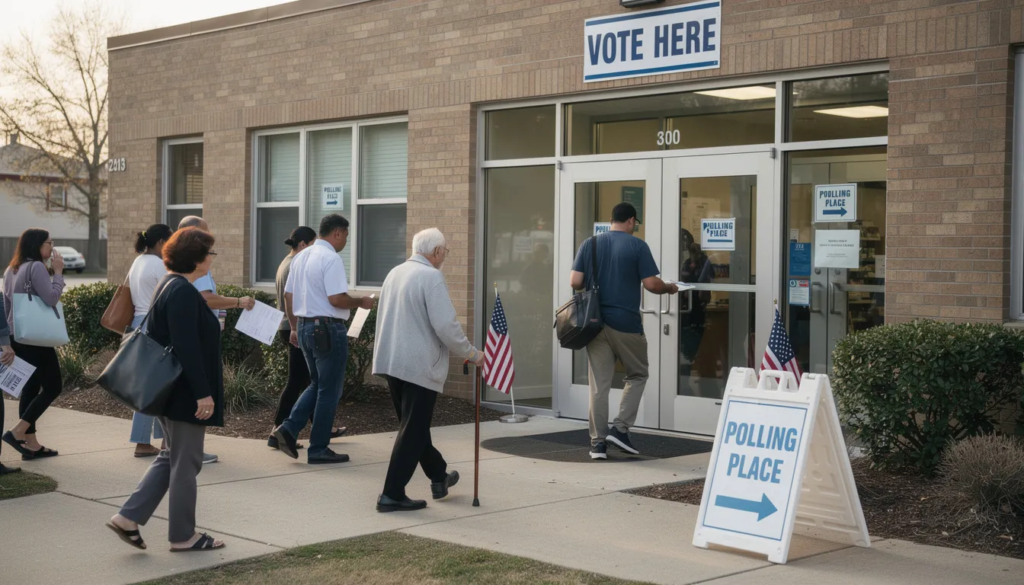
Ballot Chasing vs. Ballot Collection (Harvesting)
The terms “ballot chasing” and “ballot harvesting” are sometimes used interchangeably, but in practice campaigns must follow state-specific legal definitions. Getting this wrong can expose your campaign to legal liability and undermine voter trust.
Ballot chasing primarily refers to reminder and assistance activity:
- Texting voters to ask if they received their ballot
- Calling to answer questions about how to complete it
- Knocking on doors to encourage timely return
- Providing information about deadlines and drop-off locations
Ballot collection refers to physically handling and returning ballots on behalf of voters. This is where state laws get complicated.
State | Collection Rules |
Arizona | Strict limits after 2021 SCOTUS ruling; generally limited to family members |
California | Allows designated agents with recordkeeping requirements |
Colorado | Permits collection with 10-ballot limit per collector |
Florida | One collector per 10 drop-offs |
Texas | Generally restricts third-party return |
In states with laws restricting ballot collection, campaigns focus ballot chasing efforts on contacting voters and providing information rather than physically handling ballots. In more permissive states, some campaigns build ballot collection into their field operations with proper training and chain-of-custody documentation.
Proponents of ballot collection argue it improves access for voters who face genuine barriers to returning their own ballots. Critics raise concerns about fraud potential and chain-of-custody issues, though federal reviews have found no evidence of widespread problems.
Regardless of where you campaign, your team must develop state-specific compliance guidelines and train staff accordingly. Technology platforms like Pulsar enable outreach and tracking, but they do not override the law. Compliance is the campaign’s responsibility.
Using Pulsar to Power Your Ballot Chase Program
Pulsar is a political campaign platform built to manage voter contact, data, and workflows—making it well-suited to support ballot chase programs at every level. More than 120,000 campaigns have used Pulsar’s tools, from city council races to U.S. Senate campaigns.
This section walks through how Pulsar’s political CRM, preloaded voter files, and outreach tools support each phase of ballot chasing in practice.
Centralizing Data with Pulsar’s Political CRM
With Pulsar you can upload voter files with each voter’s contact information, support level, voting method preference, and ballot status where available from official files. This creates a single source of truth for your ballot chase program.
Campaigns can segment supporters into ballot chase universes with filters like:
- Requested absentee, not yet returned
- Strong supporter in District 3
- Low-propensity voter with ballot in hand
- Needs signature cure
Every contact—text, call, door knock, or email—is logged in the CRM. This prevents duplicate outreach (voters hate getting the same reminder three times) and gives organizers a real-time view of who still needs a touch.
Preloaded voter files mean campaigns can get started quickly without a complex data integration project. This is critical for local races with compressed timelines. You shouldn’t need to spend two weeks cleaning data before you can start contacting voters.
Coordinating Voter Contact: Texting, Canvassing, and Phone Banking
Effective ballot chasing is multichannel. Some voters respond to texts. Others answer phone calls. Many need someone to show up at their door. A successful ballot chase program coordinates all three.
Texting: Pulsar’s texting tools can send compliant, opt-in messages with reminders about ballot arrival, deadlines, and drop-off options. Messages can be personalized with county-specific information and scheduled for optimal send times.
Phone banking: Use phone banking to reach older or high-value voters with scripts tailored by segment. A voter who has their ballot needs different messaging than one who is still waiting for it to arrive.
Canvassing: Canvassing modules in Pulsar allow field teams to see only voters who still have outstanding ballots, with routes optimized for efficiency. Ballot chasers aren’t wasting time knocking on doors of people who voted last week.
Example: A state legislative race uses Pulsar to chase ballots in the final two weeks. Walk lists show only supporters flagged as “ballot requested, not returned.” Canvassers can mark voters as “spoke with, committed to return by Friday” directly in the app. That information syncs to the CRM so callers and texters know not to contact that voter again unless the ballot still hasn’t arrived by the end of the week.
Monitoring Progress and Adjusting Strategy in Real Time
Campaigns can regularly import updated early/absentee vote files into Pulsar. With Pulsar’s “Dynamic List” feature campaign’s can easily upload lists of voter’s who have returned their ballot so that they are removed from all walk lists and call lists.
Key metrics to track include:
- Contact rate: What percentage of outstanding ballot holders has your team reached?
- Commitment rate: Of those contacted, how many committed to return their ballot?
- Daily change in outstanding ballots: Are your numbers going down fast enough?
- Precinct-level progress: Which areas are lagging behind?
Pulsar’s reporting tools can show which precincts are falling behind, signaling where to send more canvassers or shift texting volume. This data-driven loop helps campaigns avoid wasting resources on people who already voted and concentrate on those who have not.
If your campaign is planning a ballot chase operation for an upcoming election, schedule a Pulsar demo to see how the platform can support your specific race and state requirements.
Frequently Asked Questions About Ballot Chasing
These questions address practical implementation concerns that campaign managers and consultants commonly encounter when building ballot chase programs.
Is ballot chasing legal in every state?
Contacting voters about their mail or early ballots is generally legal across the country. You can text, call, and canvass voters to remind them about deadlines and encourage them to return their ballots.
The rules become more complex around physical assistance with ballots. Some states restrict who can return a ballot on behalf of an elector—often limiting it to immediate family members, household members, or caregivers. Other items like transporting voters to drop-off locations or helping with forms have their own regulations.
Campaigns should coordinate with legal counsel or their state party for written guidance before launching ballot chase operations. Software like Pulsar supports outreach and tracking, but compliance with the law is the campaign’s responsibility.
For example, in Arizona after the 2021 Supreme Court ruling, campaigns largely cannot collect ballots from voters. In California, collection is allowed but requires proper documentation.
How early should my campaign start a ballot chase program?
Planning should begin several months before ballots are mailed. When you’re building your field and data plans for the cycle, ballot chasing should be part of the conversation—not an afterthought.
Active outreach for ballot requests should begin 30 to 45 days before your state’s request deadline. Once ballots are mailed, follow-up should start as soon as the first wave is expected to arrive in mailboxes.
Build a calendar that aligns specific outreach tactics with each key deadline:
- Ballot request cutoff
- First day ballots are mailed
- Optimal return window (accounting for mail delays)
- Last day for in-person return or drop-off
- Cure period deadline (if applicable)
Pulsar can help map these dates to outreach schedules within the voter contact system.
Which voters should I prioritize for ballot chasing?
Start with known supporters who have a history of voting by mail. These are your most reliable targets—they’ve already demonstrated they’ll vote this way, and you’ve already identified them as supporters.
Next, prioritize low- to medium-propensity supporters who requested ballots. These voters took the affirmative step of requesting a ballot but have inconsistent voting patterns. A gentle nudge can make the difference between a vote cast and a ballot that ends up forgotten.
For down-ballot races, focus on overlapping universes: strong top-of-ticket partisans who may be less aware of local contests. These voters will mark the top of the ballot but might skip your race without targeted outreach.
Groups to target include:
- Likely Democrat or Republican mail voters (based on modeling)
- Young voters who requested mail ballots
- Senior absentee voters
- Voters in high-impact precincts where margins are expected to be close
Pulsar’s segmentation features can create these priority lists without complex manual spreadsheets.
How do I measure if my ballot chase program is working?
The primary metric is the shrinking number of outstanding ballots among your identified supporters over time. If you started with 5,000 supporters with unreturned ballots and you’re down to 800 a week before the deadline, your program is working.
Track these additional metrics:
- Return rate: Percentage of supporters with requested ballots who ultimately return them
- Contact rate by channel: Which methods (text, phone, door) are reaching voters most effectively?
- Commitment conversion: Of voters who said they’d return their ballot, how many actually did?
- Precinct-level variance: Are some areas outperforming others?
Where possible, compare to past cycles. If your 2024 mail ballot return rate among targeted supporters was 72% and your 2026 rate is 85%, you’re seeing measurable improvement.
Pulsar’s dashboards can display these trends, helping managers make mid-course corrections during the voting window.
Can small, local campaigns benefit from ballot chasing, or is it only for large races?
Ballot chasing is often most impactful in small, local races where margins can be measured in dozens or hundreds of votes. A school board election won by 37 votes wasn’t decided by TV advertising—it was decided by whether candidates helped their supporters actually return their ballots.
Even a small city council campaign can organize simple ballot chase workflows:
- A texting program targeting 200-500 identified supporters with mail ballots
- A small phone bank of 3-5 volunteers working evenings
- Walk lists focused only on “ballot requested, not returned” voters
Local campaigns should focus on a narrow universe: known supporters and high-influence community members who vote by mail. Quality matters more than quantity at this scale.
Pulsar offers race-level plans suitable for local contests, so smaller campaigns can access the same professional-grade ballot chase tools used by larger operations. Starting small in one cycle builds a foundation for more sophisticated programs in future campaigns.
Ballot chasing has evolved from a partisan tactic to an essential component of modern campaign strategy. With mail and early ballots now constituting nearly half of all votes cast in many elections, campaigns that don’t systematically chase outstanding ballots are leaving votes uncounted.
Whether you’re running for city council or U.S. Senate, a well-executed ballot chase program can be the difference between winning and losing. The process requires understanding your state’s laws, building targeted voter universes, coordinating multichannel outreach, and tracking progress in real time.
Pulsar’s political CRM, preloaded voter files, and voter contact tools are built to support exactly this kind of operation. If you’re planning a ballot chase program for your next campaign, get a quote or schedule a demo to see how Pulsar can help you turn outstanding ballots into votes.