Key Takeaways
- Successful political campaign strategy requires a clear win number, targeted voter segmentation, and balanced mobilization-persuasion approach
- Modern campaigns integrate digital strategy with traditional field operations, requiring expertise across social media platforms, voter databases, and door to door canvassing
- Campaign finance management and strategic fundraising events are essential for sustaining operations and maximizing voter outreach throughout the election cycle
- Effective campaigns rely on data-driven voter targeting, comprehensive campaign literature, and coordinated messaging across all campaign activities
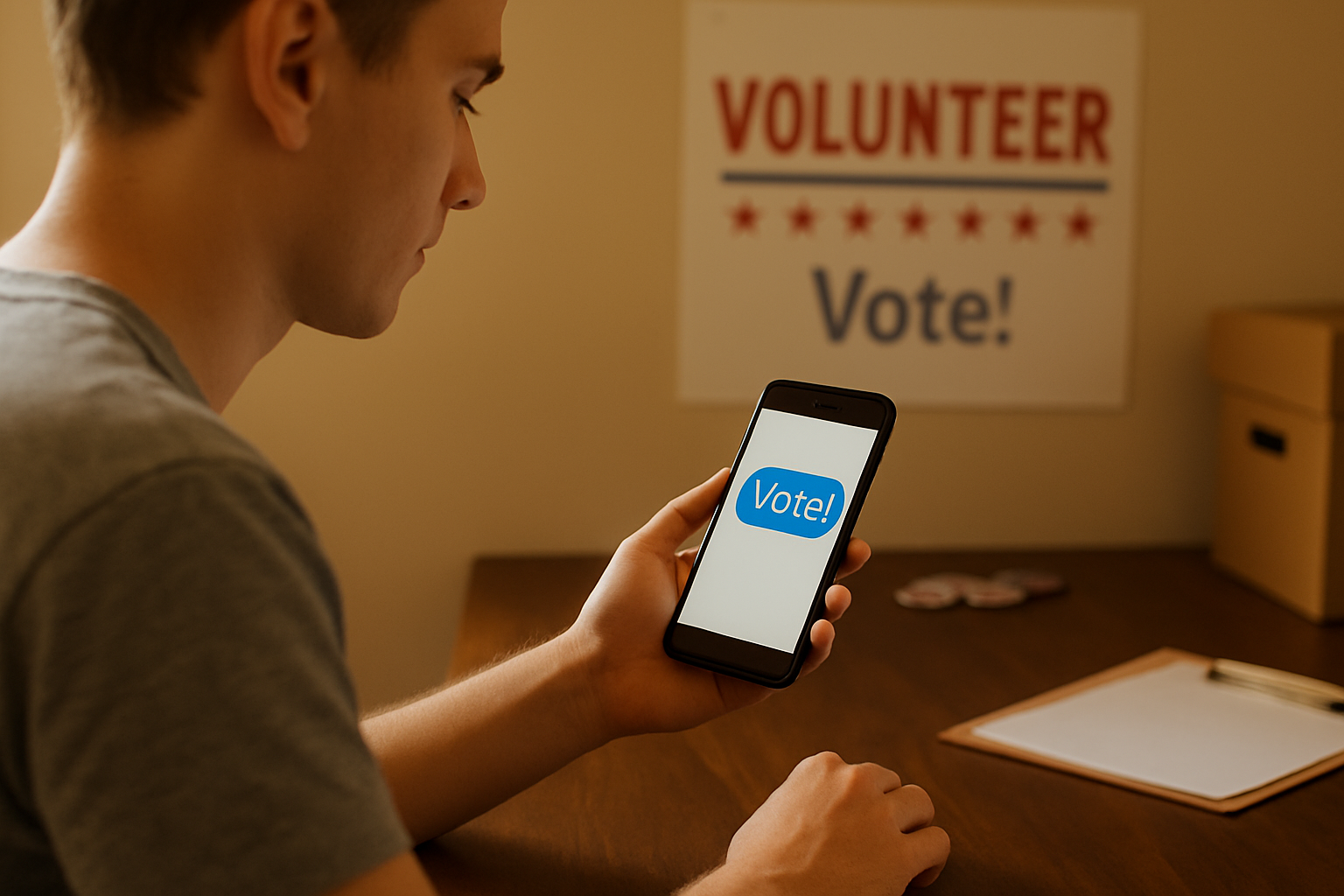
- Building a strong campaign team with defined roles, from campaign manager to campaign volunteers, creates the organizational foundation for a winning campaign
In the digital era, successful political campaigns don’t happen by accident. Behind every winning campaign lies a carefully crafted political campaign strategy that combines traditional grassroots organizing with cutting-edge technology and data analytics. Whether you’re running for local office or managing presidential campaigns, understanding the fundamentals of campaign strategy can mean the difference between victory and defeat on election day.
Political campaign strategies have evolved dramatically over the past decades. What once relied primarily on political parties, local networks, and traditional media has transformed into sophisticated operations that leverage social media platforms, digital advertising, and advanced voter targeting techniques. Most campaigns today must navigate this complex landscape while managing tight campaign budgets and building effective campaign organizations.
This comprehensive guide will walk you through the essential components of developing a successful political campaign strategy, from initial planning and voter research to digital marketing and election day operations. You’ll discover how to build a winning campaign that resonates with your target audience and maximizes voter turnout.

Understanding Political Campaign Fundamentals
The foundation of any successful political campaign begins with understanding your electoral landscape and establishing clear campaign goals. A political campaign is fundamentally about persuading and mobilizing voters within a specific timeframe and budget constraint.
Calculating Your Win Number
Every effective campaign strategy starts with determining how many votes you need to win. This “win number” calculation involves analyzing historical voter turnout data, demographic trends, and likely changes in the electorate composition. For most elections, you’ll need 50 percent plus one of expected turnout, though multi-candidate races may require different calculations.
Your campaign team should examine past election cycles to understand voting patterns in your district. This analysis helps determine whether your strategy should focus more on mobilization or persuasion efforts, and which voter segments offer the best opportunities for gaining support.
Voter Segmentation and Targeting
Modern campaigns divide potential voters into distinct categories: base supporters, persuadable voters, and opposition voters. This segmentation drives all subsequent campaign activities, from voter outreach efforts to social media posts.
Base voters are likely supporters who need mobilization rather than persuasion. Persuadable voters require targeted messaging that addresses their specific concerns and interests. Understanding this segmentation allows your campaign organization to allocate resources efficiently and develop tailored talking points for different voter groups.
The voter file serves as the central database for all targeting efforts. This comprehensive record includes voter registration information, voting history, demographic data, and contact information that enables precise voter targeting throughout the entire campaign.
Building Your Campaign Foundation
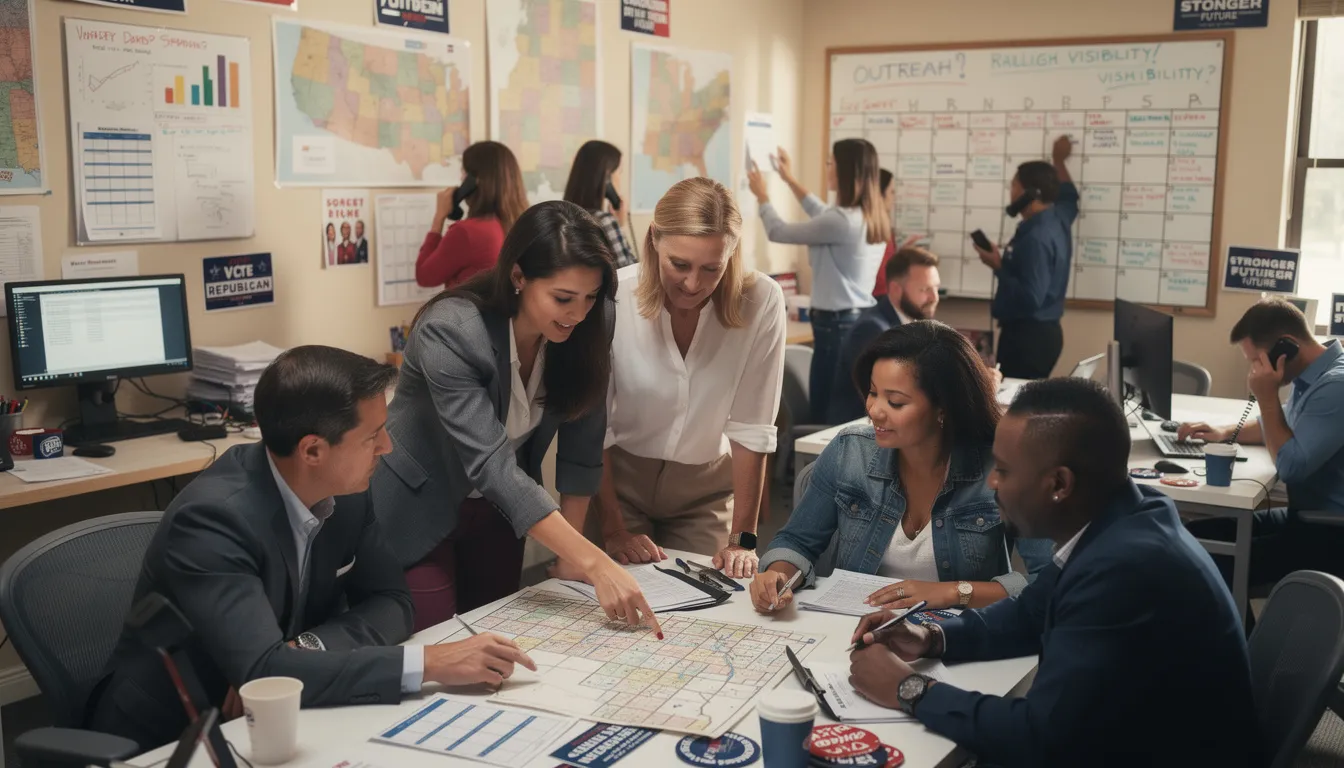
A successful political campaign strategy requires solid organizational infrastructure before you can effectively reach potential voters. This foundation includes assembling your campaign team, establishing your campaign headquarters, and setting up essential systems.
Assembling Your Campaign Team
Your campaign manager serves as the central coordinator who oversees all campaign activities and ensures different departments work cohesively toward shared campaign goals. This role requires someone with strong organizational skills and experience managing complex projects under pressure.
Key team members typically include:
- Field director to coordinate voter outreach and door to door canvassing operations
- Communications director to manage media narratives and media interviews
- Digital director to oversee social media accounts and digital ads
- Finance director to organize fundraising events and manage campaign donations
- Volunteer coordinator to recruit and manage campaign volunteers
Campaign Infrastructure
Your campaign website serves as the digital headquarters where potential voters learn about your candidate’s vision and policy proposals. It should be professionally designed, mobile-responsive, and optimized for search engines to maximize your campaign’s visibility.
Establishing systems for managing campaign literature, coordinating phone calls, and tracking campaign updates ensures smooth operations as the campaign progresses. These systems become increasingly important as your organization grows and campaign activities intensify approaching election day.
Legal and Compliance Considerations
Understanding campaign finance regulations and Federal Election Commission requirements protects your campaign from legal issues that could derail your efforts. This includes proper reporting of campaign donations, expenditure tracking, and compliance with contribution limits.
Most campaigns benefit from consulting with experienced legal counsel early in the planning process to ensure all activities comply with applicable regulations. This investment in proper compliance procedures prevents costly mistakes that could damage your campaign’s reputation.
Developing Your Campaign Message and Strategy
Your campaign message forms the core of all communication efforts and serves as the thread connecting all voter interactions. Political scientists emphasize that effective messaging requires consistency across all platforms while addressing the specific concerns of your target audience.
Crafting Your Core Message
A compelling campaign message addresses three fundamental questions: What’s the problem? What are the stakes? What’s the solution? Your message should be simple, memorable, and emotionally resonant while connecting directly to issues that matter most to potential voters.
Progressive campaigns often focus on themes of change and reform, while other campaigns might emphasize experience and stability. Regardless of your political orientation, your message must differentiate your candidate from opponents while building positive identification with voters.
Message Testing and Refinement
Before launching major campaign activities, test your core messages with focus groups and polling to understand how different voter segments respond to your talking points. This research helps refine language, identify the most persuasive arguments, and avoid messaging that might backfire with key constituencies.
Public opinion research provides quantitative data about voter preferences, while qualitative research through focus groups offers deeper insights into how voters interpret and respond to your candidate’s vision. This combination of research methods ensures your campaign message resonates effectively with your target audience.
Narrative Development
Beyond individual talking points, successful campaigns develop comprehensive narratives that tell a coherent story about the candidate, the challenges facing the community, and the path forward. This narrative connects biographical elements with policy proposals and creates an emotional connection with voters.
Your narrative should be adaptable across different communication channels while maintaining consistency. Whether delivered through social media posts, campaign literature, or media interviews, the core story remains constant while specific details can be tailored to different audiences.
Digital Strategy and Modern Campaigning
In today’s political landscape, digital strategy has become as important as traditional field operations for reaching potential voters and building campaign momentum. Social media platforms offer unprecedented opportunities for direct voter engagement and targeted messaging.
Social Media Platform Strategy
Each social media platform requires a tailored approach based on its unique user base and communication style. Your social media pages should maintain consistent branding while adapting content formats to platform-specific preferences.
Facebook remains crucial for reaching older voters and facilitating community organizing, while Instagram and TikTok are essential for engaging younger demographics. Twitter serves as a key platform for real-time communication and engaging with media outlets and political influencers.
Successful campaigns maintain active social media accounts with regular posting schedules, prompt responses to comments and messages, and strategic use of hashtags and trending topics to increase visibility.

Digital Advertising and Targeting
Digital ads offer precise targeting capabilities that traditional media cannot match. Campaigns can target potential voters based on demographics, interests, voting history, and even specific issues that matter to particular voter segments.
Paid media strategies typically combine social media advertising with search engine marketing to capture voters actively seeking information about candidates or issues. This approach ensures your campaign reaches both passive social media users and active information seekers.
Digital marketing allows for real-time optimization based on performance metrics. Campaigns can quickly adjust targeting, messaging, and budget allocation based on which ads generate the most engagement and conversions.
Email and Text Messaging Campaigns
Email marketing remains one of the most cost-effective ways to maintain regular contact with supporters and potential voters. Well-designed email campaigns can raise funds, recruit volunteers, and mobilize supporters for specific actions.
Text messaging provides immediate communication capabilities, especially useful for time-sensitive mobilization efforts and election day reminders. However, text campaigns require careful compliance with telecommunications regulations to avoid legal issues.
Both email and SMS campaigns should segment audiences based on their level of engagement and specific interests to maximize effectiveness and minimize unsubscribes.
Field Operations and Voter Outreach
Despite the importance of digital strategy, personal contact remains one of the most effective ways to influence voter behavior. Field operations, often called the “ground game,” encompass all direct voter contact activities that build relationships and drive turnout.
Door to Door Canvassing
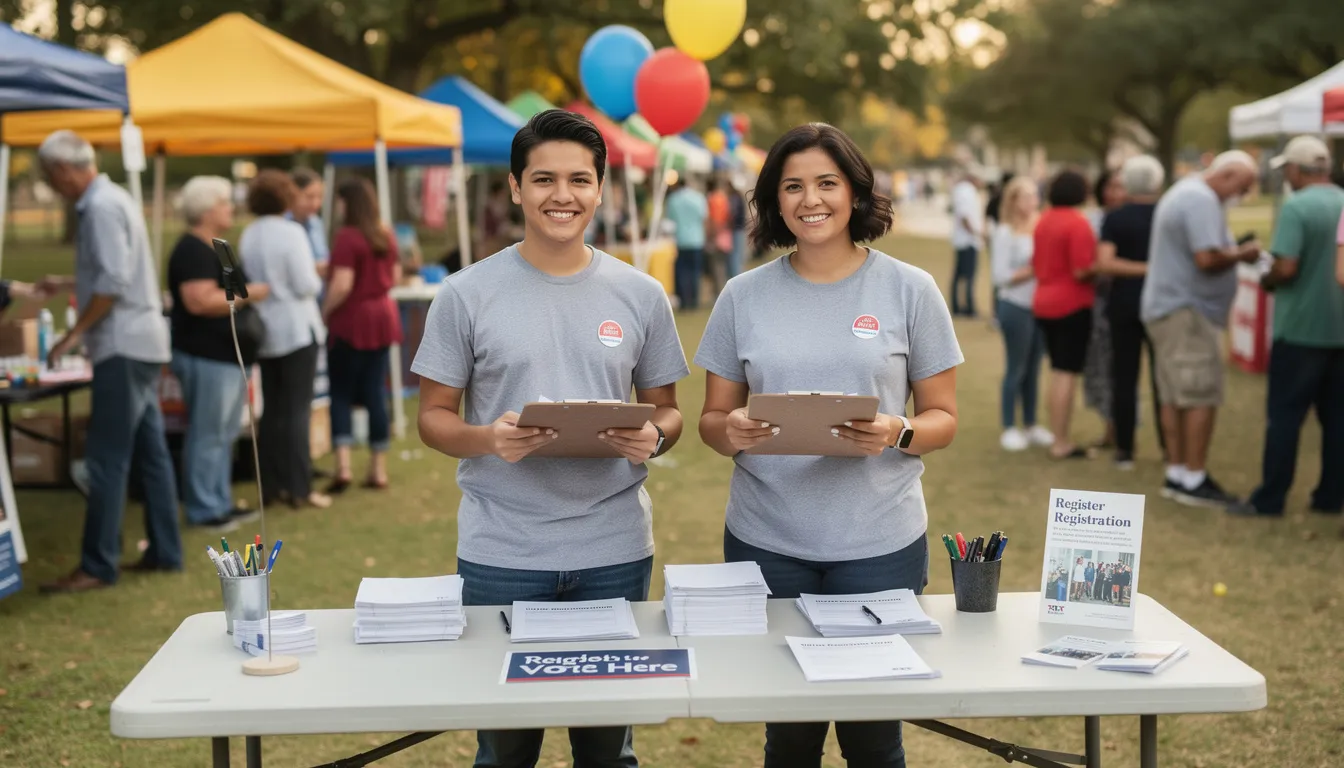
Door to door canvassing remains the gold standard for voter persuasion and turnout efforts. Research consistently shows that face-to-face conversations with trusted local volunteers have measurable impacts on voting behavior.
Effective canvassing operations require extensive planning, including detailed walking lists, standardized scripts, and systems for tracking contact results. Campaign volunteers need training on how to engage voters respectfully while staying on message.
Canvassing data feeds back into your voter targeting efforts, allowing you to update voter files with new information about supporter levels and issue preferences.
Phone Banking and Digital Outreach
Phone calls supplement door-to-door efforts by allowing campaigns to reach larger numbers of voters more efficiently. Modern phone banking combines traditional calling with text messaging and peer-to-peer outreach programs.
Volunteer-based phone banking creates opportunities for supporter engagement while reducing campaign costs compared to professional calling services. Training volunteers in effective phone communication ensures positive voter experiences.
Digital organizing tools enable supporters to make calls and send texts from their own devices, expanding your campaign’s reach beyond traditional volunteer capacity.

Community Engagement and Events
Hosting community events provides opportunities for face-to-face interaction between candidates and voters while generating media coverage and social media content. These events range from intimate house parties to large rallies, depending on your campaign strategy and available resources.
Advocacy campaigns often focus on issue-specific events that allow candidates to demonstrate expertise and commitment on particular issues important to different voter segments. These targeted events can be especially effective for building support among interest groups and activist communities.
Event planning requires coordination between multiple campaign departments to ensure maximum impact while managing security, logistics, and media relations effectively.
Voter Contact Software
Modern political campaigns rely on advanced voter contact software to coordinate outreach, track voter interactions, and measure field performance in real time. These tools replace outdated spreadsheets and manual tracking with centralized digital systems that streamline communication between campaign staff, volunteers, and field organizers. Effective software allows campaigns to quickly generate walk lists, phone banks, and text outreach programs—all tailored to specific voter segments identified in the voter file.

Pulsar offers an all-in-one voter contact platform designed specifically for campaigns that need reliable, easy-to-use field tools. Through the Pulsar website and mobile app, campaigns can instantly create targeted walk lists, phone lists, and texting programs using our integrated voter database. With comprehensive voter data included, teams can begin canvassing or calling immediately without needing to import external files or purchase data separately. Volunteers can log their conversations directly in the app, giving campaign managers live insight into supporter levels, turnout likelihood, and issue positions.
Because Pulsar centralizes every contact record, campaigns can quickly adapt their field strategy based on real-time data—prioritizing high-value voters, reallocating volunteers, or launching rapid-response texting campaigns when needed. The platform’s intuitive design reduces volunteer training time and ensures data is captured accurately, allowing campaigns to run more efficient, better-coordinated field programs. For organizations focused on maximizing voter contact and turnout, Pulsar provides the digital infrastructure needed to transform outreach into votes on Election Day.
Campaign Finance and Fundraising
No political campaign can succeed without adequate funding to support voter outreach, media activities, and organizational operations. Fundraising strategy must balance multiple revenue streams while complying with all applicable regulations.
Fundraising Strategy Development
Successful campaigns develop diversified fundraising portfolios that include small-dollar donations, major donor contributions, and institutional support from political parties and interest groups where appropriate.
Online fundraising has democratized political donations, allowing campaigns to raise significant funds through email campaigns, social media promotion, and website conversion optimization. These digital fundraising efforts often perform best when tied to specific campaign needs or current events.
Traditional fundraising events remain important for building relationships with major donors and community leaders. These events require significant planning and staff resources but can generate substantial revenue while building important political relationships.
Budget Management and Resource Allocation
Campaign budgets must balance multiple competing priorities while ensuring sufficient resources for critical activities as election day approaches. Effective budget management requires detailed tracking of all expenditures and regular adjustment based on changing strategic priorities.
Most campaigns allocate budget across several major categories:
- Personnel costs for campaign staff and consultants
- Media spending for digital ads, television, radio, and print advertising
- Field operations including materials, technology, and volunteer support
- Event costs for rallies, fundraisers, and community engagement
- Administrative expenses for office rent, equipment, and compliance
Strategic budget allocation depends on your campaign’s theory of change and the specific competitive dynamics of your race.
Compliance and Reporting
Campaign finance laws require detailed reporting of all campaign donations and expenditures. Maintaining accurate records protects your campaign from legal challenges while ensuring transparency with voters and regulators.
The Federal Election Commission sets strict guidelines for federal campaigns, while state and local races operate under different regulatory frameworks. Understanding these requirements prevents costly violations that could damage your campaign’s credibility.
Professional accounting systems designed for political campaigns help manage compliance requirements while providing real-time budget tracking and reporting capabilities.
Measuring Success and Adapting Strategy
Effective campaigns continuously monitor their progress and adjust tactics based on data and changing circumstances. This adaptive approach ensures resources are deployed optimally throughout the election cycle.
Key Performance Indicators
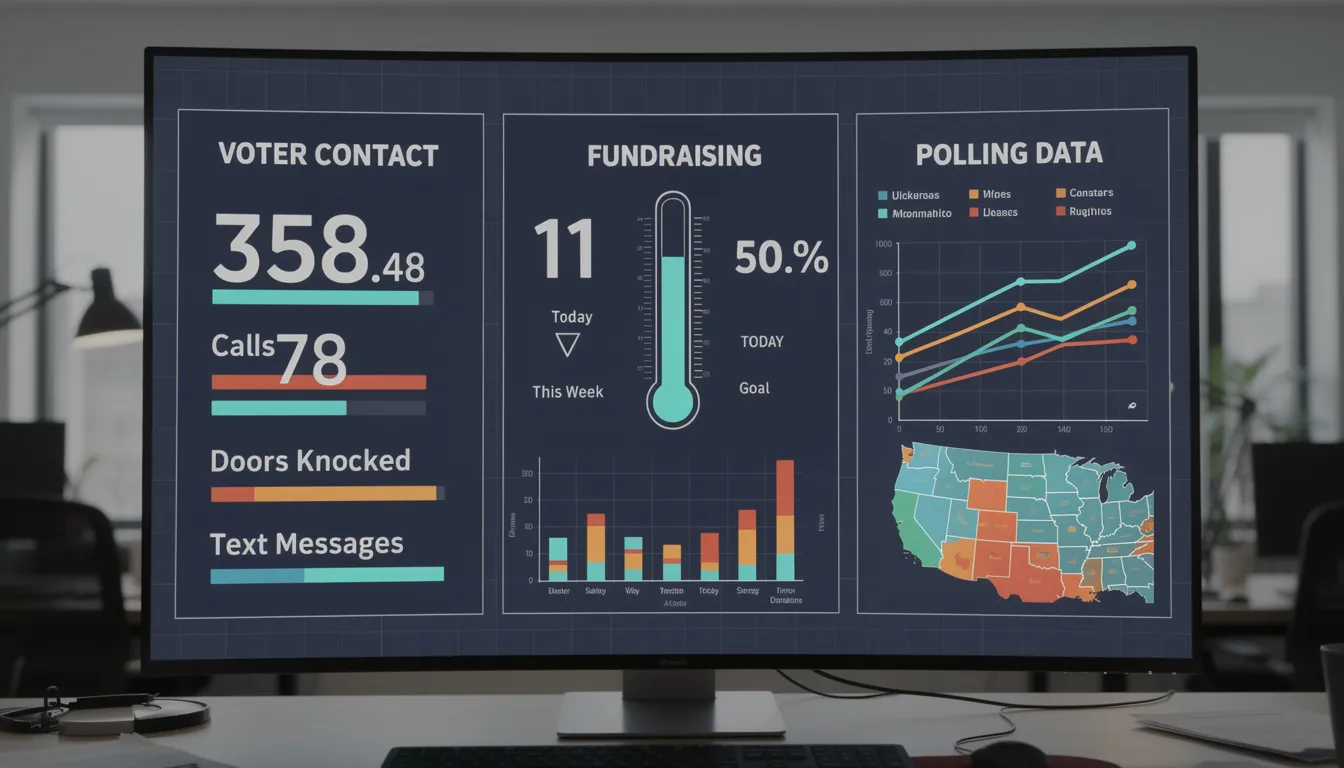
Successful political campaign strategy requires tracking both leading and lagging indicators of campaign performance. Leading indicators include volunteer recruitment numbers, fundraising pace, and social media engagement rates that predict future success.
Lagging indicators such as polling data, voter contact completion rates, and media coverage provide feedback on campaign effectiveness but may not allow time for significant course corrections.
Regular tracking of these metrics allows campaign managers to identify problems early and reallocate resources to maximize impact as the campaign progresses toward election day.
Polling and Public Opinion Research
Professional polling provides essential feedback on voter preferences, message effectiveness, and competitive positioning throughout the campaign. However, polling should supplement rather than replace other forms of voter feedback and campaign intelligence.
Tracking polls monitor changes in voter sentiment over time, allowing campaigns to assess the impact of major events, advertising campaigns, and opponent activities. This information guides strategic adjustments in messaging and resource allocation.
Focus groups and qualitative research provide deeper insights into voter reasoning and emotional responses that quantitative polling cannot capture. These insights prove especially valuable for refining messaging and identifying unexpected voter concerns.
Strategic Adaptation
The most successful campaigns maintain strategic flexibility while staying true to core messages and values. This requires leadership that can distinguish between temporary fluctuations and fundamental changes in the campaign environment.
External events, opponent activities, and voter feedback may require tactical adjustments or strategic pivots. However, these changes should be data-driven and consistent with your campaign’s overall theory of change.
Regular strategy meetings with key campaign staff ensure that information flows efficiently and decisions are made quickly enough to impact campaign outcomes.
Representative Democracies and Campaign Evolution
Political campaign strategies continue evolving as representative democracies adapt to new technologies, changing demographics, and shifting voter expectations. Understanding these trends helps campaigns prepare for future challenges and opportunities.
The digital era has fundamentally altered how campaigns reach voters, but it has also created new challenges around information quality, voter privacy, and democratic participation. Successful campaigns must navigate these complex dynamics while maintaining focus on their primary mission of winning elections.
Modern campaigns increasingly integrate traditional organizing with digital tools, creating hybrid operations that leverage the best aspects of both approaches. This integration requires campaign staff with diverse skill sets and organizational systems that support complex, multi-channel operations.
As political advertising becomes more sophisticated and voter targeting more precise, campaigns must balance effectiveness with ethical considerations about voter privacy and democratic transparency. These considerations will likely become more important as public awareness of campaign tactics increases.
Conclusion
Developing a successful political campaign strategy requires careful planning, strategic thinking, and skilled execution across multiple domains. From calculating your win number and building your campaign team to implementing sophisticated digital marketing and field operations, every element must work together toward the common goal of victory on election day.
The most effective campaigns combine traditional grassroots organizing with modern digital tools, creating comprehensive voter outreach programs that build lasting impression with potential voters. Whether you’re managing a senate campaign, local race, or advocacy campaign, the principles outlined in this guide provide the foundation for competitive political organizing.
Remember that political campaign strategies must be adapted to specific local conditions, candidate strengths, and competitive dynamics. While these strategic frameworks provide essential structure, successful implementation requires careful attention to the unique aspects of your particular race and constituency.
As you develop your campaign plan, focus on building sustainable systems that can grow with your organization and adapt to changing circumstances. The combination of clear strategic thinking, efficient operations, and persistent execution creates the foundation for winning campaigns in today’s competitive political environment.
FAQ
What is the difference between mobilization and persuasion strategies in political campaigns?
Mobilization strategies focus on identifying and turning out likely supporters who might not vote without encouragement, using tactics like get-out-the-vote operations and social pressure. Persuasion strategies aim to change the vote choice of undecided or weakly attached voters through targeted messaging and advertising. Most effective campaigns use both approaches, but the balance depends on the level of polarization in the electorate and the number of genuine swing voters available.
How much should a political campaign typically spend on digital advertising versus traditional media?
The optimal media mix depends on your target audience demographics and campaign goals. Campaigns targeting younger voters typically allocate more budget to digital platforms, while those targeting older demographics may invest more heavily in television and radio. A common approach for modern campaigns is to start with a 60/40 split favoring digital in early campaign phases, then adjust based on performance data and audience engagement rates.
What are the most effective voter contact methods for increasing turnout?
Research consistently shows that personal contact through door-to-door canvassing by trusted local volunteers has the highest impact on voter turnout, typically increasing turnout by 2-4 percentage points. Phone calls from volunteers and peer-to-peer outreach also show measurable effects, while impersonal methods like direct mail and robocalls have minimal impact. The key is personal connection and trust between the messenger and the voter.
How do campaign finance laws affect political campaign strategies?
Campaign finance regulations significantly shape strategy by limiting donation sources and amounts, requiring detailed reporting, and restricting coordination between campaigns and outside groups. These constraints force campaigns to diversify fundraising approaches, maintain careful compliance systems, and sometimes create complex ecosystems where official campaigns handle certain activities while aligned outside groups manage others like opposition research or attack advertising.
When should a political campaign start implementing voter outreach activities?
Voter outreach timing depends on the election type and competitive environment. For major races, voter identification and early relationship building should begin 12-18 months before election day, while intensive voter contact typically occurs in the final 3-6 months. However, ongoing community engagement and relationship building should happen continuously, not just during election cycles, to build lasting political infrastructure and voter connections.